

The integration of photovoltaic technology into agricultural infrastructure, commonly known as agrivoltaics, represents a significant shift in sustainable farming. For modern growers, the challenge lies in balancing energy generation with optimal plant growth conditions. Selecting the right solar module is critical to ensuring that crops receive adequate light spectrum and intensity while maximizing electricity output. This article explores five strategic options for implementing solar solutions in greenhouse environments, focusing on technical specifications and agricultural compatibility.
Understanding Light Transmission and Spectral Needs
Plants require specific wavelengths for photosynthesis, primarily in the blue and red spectrums. Traditional opaque solar panels can block too much light, reducing crop yields. Therefore, the first option for modern growers is semi-transparent modules. These panels allow diffuse light to pass through, ensuring even distribution across the canopy. This approach minimizes shading effects and supports consistent growth rates. Manufacturers are increasingly designing cells with specific spacing to optimize this balance, making them ideal for high-value crops like berries and leafy greens.
Leveraging Bifacial Technology for Enhanced Yield
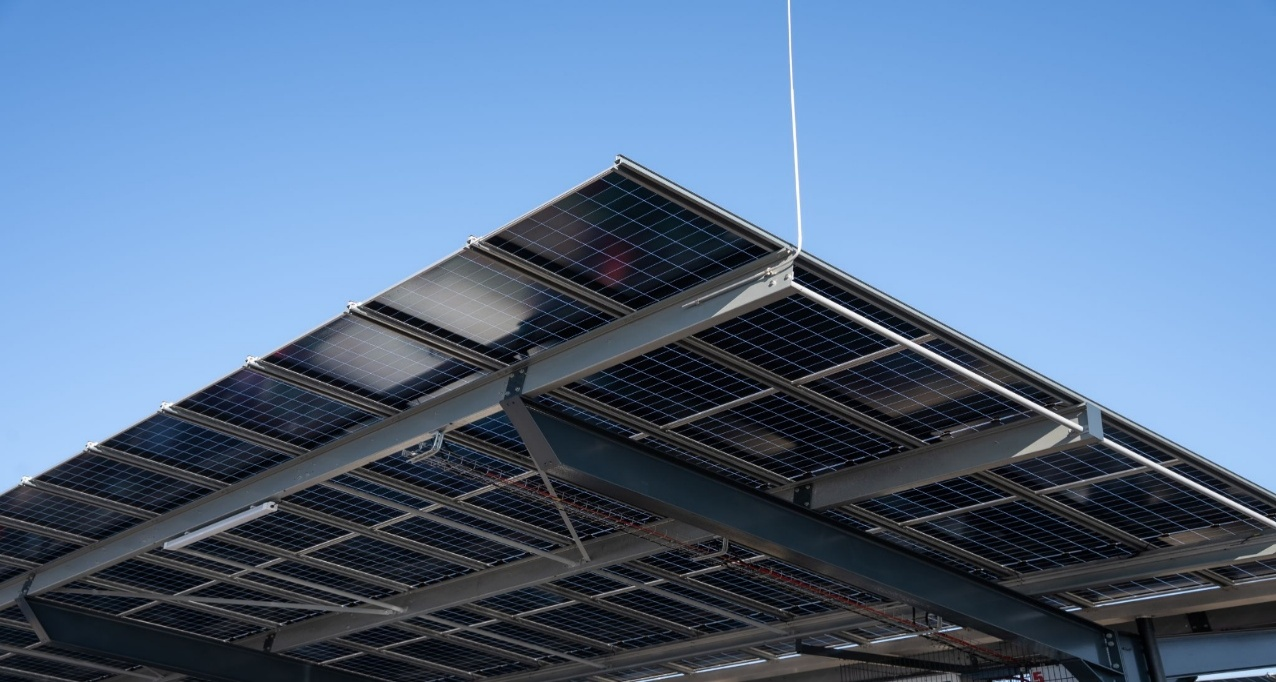
Bifacial solar modules constitute a second viable option. Unlike traditional monofacial panels, bifacial units capture sunlight from both the front and rear sides. In a greenhouse setting, reflected light from the ground or white-painted surfaces can significantly boost energy production. This dual-sided absorption allows for higher density installations without compromising the structural integrity of the greenhouse. The increased efficiency per square meter makes bifacial technology a cost-effective choice for large-scale agricultural operations seeking to reduce their carbon footprint.
Durability and Climate Resilience
Greenhouses often operate in humid and warm conditions, which can accelerate module degradation. High-quality encapsulation materials and robust frame designs are essential for longevity. N-type silicon cells offer superior temperature coefficients compared to standard P-type alternatives, meaning they perform better in high-heat environments. This technical advantage ensures stable power output during peak summer months when cooling demands are highest. Companies like DMEGC Solar have developed specialized product lines that address these environmental challenges, providing reliable performance in diverse climatic zones.
Integrating Agrivoltaic Solutions
For growers aiming to maximize land use efficiency, specialized agrivoltaic systems provide a tailored solution. These systems are engineered specifically to coexist with agricultural activities, offering customizable transparency levels and mounting structures. A well-designed solar panel greenhouse setup enables farmers to generate renewable energy while maintaining optimal growing conditions. This synergy reduces operational costs and creates an additional revenue stream through electricity sales or self-consumption.
Conclusion
Choosing the right solar technology for greenhouses requires a careful analysis of light transmission, energy efficiency, and durability. By considering semi-transparent modules, bifacial technology, and N-type cell advantages, growers can create sustainable and profitable agricultural systems. As the industry evolves, integrating specialized agrivoltaic solutions will become standard practice for forward-thinking farmers committed to sustainability and efficiency.

Tel: +86-579-86588826 (Workday 8:30-17:00)
Tel: +31 (0) 8 58200765
Tel: +86-579-86310330 (Workday 8:30-17:00)
+86-579-86310330 (workday 8:30-17:00 GMT+08:00)
+86-579-86588601 (workday 8:30-17:00 GMT+08:00)


Contact Us
Type of your question
- Business Consulting
- Technical Support
- After-sales Service