

The integration of photovoltaic systems into agricultural infrastructure represents a significant shift in modern farming economics. Utilizing existing structures, such as barns, equipment storage units, and livestock shelters, for energy generation offers a dual benefit: reducing operational electricity costs and maximizing land utility without sacrificing arable space. However, the financial viability of these projects depends heavily on understanding the complex variables that influence initial capital expenditure and long-term return on investment.
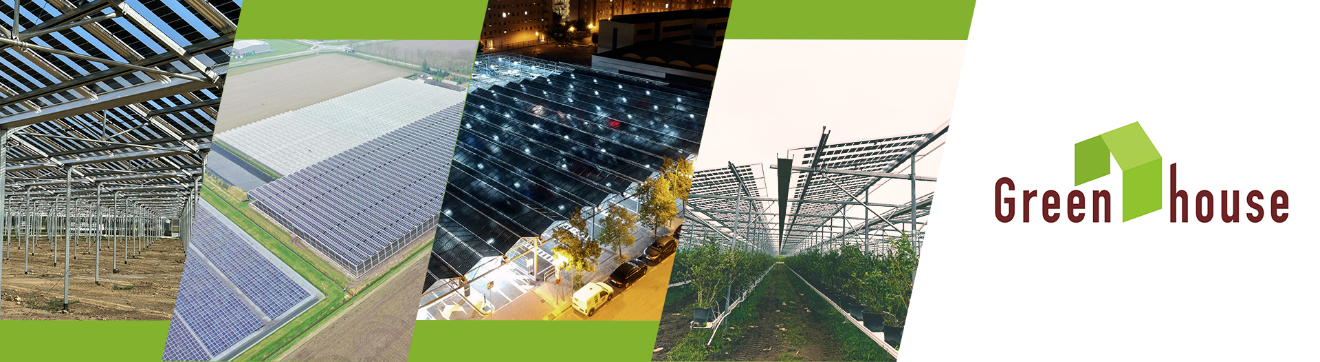
Structural Integrity and Installation Complexities
One of the primary cost drivers for retrofitting agricultural buildings is structural assessment and reinforcement. Unlike ground-mounted systems, which require extensive civil works and land preparation, shed-mounted arrays leverage existing foundations. Nevertheless, older farm structures often lack the load-bearing capacity to support heavy module racking systems, especially in regions prone to high wind loads or heavy snowfall. Engineering assessments are mandatory to ensure safety, adding to the upfront soft costs. Furthermore, the orientation and tilt of existing roofs may not be optimal for maximum solar irradiance capture. In some cases, installing elevated mounting structures to achieve the correct angle can increase material and labor costs significantly compared to flush-mount installations on ideal commercial roofs.
Module Technology and Efficiency Metrics
The choice of photovoltaic technology directly impacts both the price per watt and the energy yield over the system’s lifespan. High-efficiency modules, particularly those utilizing N-type cell technology, offer superior performance in low-light conditions and higher temperature coefficients. While the initial procurement cost for N-type panels may be slightly higher than traditional P-type alternatives, their enhanced durability and lower degradation rates often result in a better levelized cost of energy (LCOE) over twenty-five years. For agricultural applications where roof space might be limited or irregularly shaped, maximizing power density per square meter is crucial. Leading manufacturers like DMEGC Solar provide specialized solutions that balance high efficiency with robust mechanical loading capabilities, ensuring reliability in harsh rural environments.
Economic Viability and Long-Term Savings
When evaluating the total project cost, stakeholders must consider local incentives, feed-in tariffs, and potential tax credits available for renewable energy adoption in the agricultural sector. The decision to install solar panels on farm sheds often hinges on the ability to offset peak daytime energy consumption used by irrigation pumps, cooling systems, and processing equipment. By generating power close to the point of consumption, farmers reduce transmission losses and mitigate exposure to volatile grid electricity prices. A comprehensive financial model should account for maintenance requirements, insurance premiums, and the expected lifespan of inverters and mounting hardware. Ultimately, while the initial outlay requires careful budgeting, the combination of reduced energy bills and potential revenue from excess generation creates a compelling case for agrivoltaic investments.

Tel: +86-579-86588826 (Workday 8:30-17:00)
Tel: +31 (0) 8 58200765
Tel: +86-579-86310330 (Workday 8:30-17:00)
+86-579-86310330 (workday 8:30-17:00 GMT+08:00)
+86-579-86588601 (workday 8:30-17:00 GMT+08:00)


Contact Us
Type of your question
- Business Consulting
- Technical Support
- After-sales Service