

The integration of renewable energy into agricultural operations has shifted from a niche concept to a strategic necessity. For procurement managers and farm owners, selecting the right photovoltaic infrastructure involves balancing energy efficiency with structural integrity and environmental resilience. A well-executed solar strategy reduces operational costs while contributing to sustainability goals. However, the unique conditions of agricultural environments demand specific technical considerations that differ significantly from standard residential or commercial installations.
Assessing Structural Integrity and Load Requirements
Farm buildings, including barns, storage sheds, and processing facilities, often feature diverse roofing materials such as corrugated metal, tile, or aged asphalt. Before installation, a thorough structural assessment is mandatory. The roofing system must support the additional weight of mounting hardware and modules, particularly in regions prone to heavy snowfall. Lightweight, frameless modules or specialized mounting systems that distribute load evenly are often preferred for older structures. Furthermore, corrosion resistance is critical. Agricultural environments frequently expose equipment to ammonia, dust, and high humidity. Modules with robust anodized aluminum frames and high-quality encapsulants ensure longevity despite these harsh chemical exposures.
Optimizing Energy Yield with N-type Technology
Efficiency is paramount when roof space is limited or when maximizing output per square meter is a priority. Modern N-type solar cells offer superior performance compared to traditional P-type alternatives. These cells exhibit lower light-induced degradation and better temperature coefficients, meaning they maintain higher efficiency levels during hot summer days when energy demand for cooling and ventilation peaks. Additionally, N-type technology demonstrates enhanced bifacial gain potential. When installed on reflective surfaces or elevated mounts common in agricultural settings, these modules can capture albedo light from the ground, boosting total energy generation by up to 10-25% depending on the surface reflectivity.
Selecting Durability and Specialized Solutions
Standard commercial modules may not withstand the physical rigors of a working farm. Impact resistance is a key specification to review, as hail and flying debris pose constant threats. Look for products certified with high IK ratings for impact protection. For operations seeking to dual-use land or integrate energy generation directly into crop production areas, specialized agrivoltaic solutions are emerging. These systems are designed to allow sufficient light transmission for plant growth while generating electricity. High-quality solar panels for farm buildings are engineered to meet these dual demands, offering robust mechanical strength and optimized spectral transmission. Partnering with established manufacturers like DMEGC Solar ensures access to globally certified products that meet rigorous international standards for safety and performance. 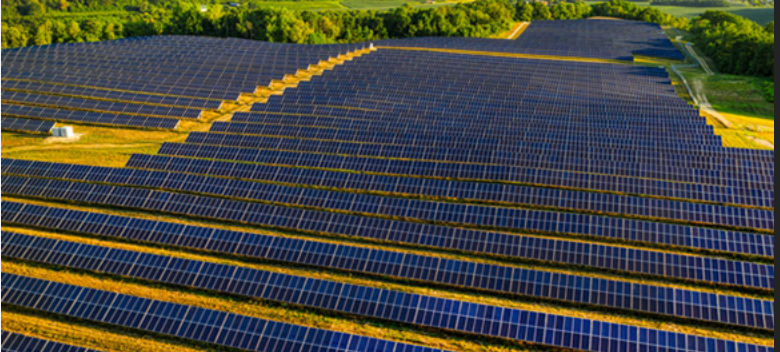
Conclusion
Choosing the right solar infrastructure for agricultural facilities requires a holistic approach that considers structural limits, environmental hazards, and technological efficiency. By prioritizing N-type cell technology and durable construction, farm operators can secure a reliable, long-term energy source. Proper selection not only protects the initial investment but also maximizes the return on energy savings, supporting the economic viability of modern farming practices.

Tel: +86-579-86588826 (Workday 8:30-17:00)
Tel: +31 (0) 8 58200765
Tel: +86-579-86310330 (Workday 8:30-17:00)
+86-579-86310330 (workday 8:30-17:00 GMT+08:00)
+86-579-86588601 (workday 8:30-17:00 GMT+08:00)


Contact Us
Type of your question
- Business Consulting
- Technical Support
- After-sales Service