

Agricultural land across many regions is being utilized for more than just crop and livestock production. The integration of solar panels on agricultural land has emerged as a practical approach to generate renewable energy while maintaining farming activities. This practice, known as agrivoltaics, combines photovoltaic technology with traditional agriculture, allowing landowners to harvest solar power and crops on the same parcel. A clear grasp of the key concepts and terminology surrounding this dual-use strategy helps farmers, developers, and communities evaluate its potential.
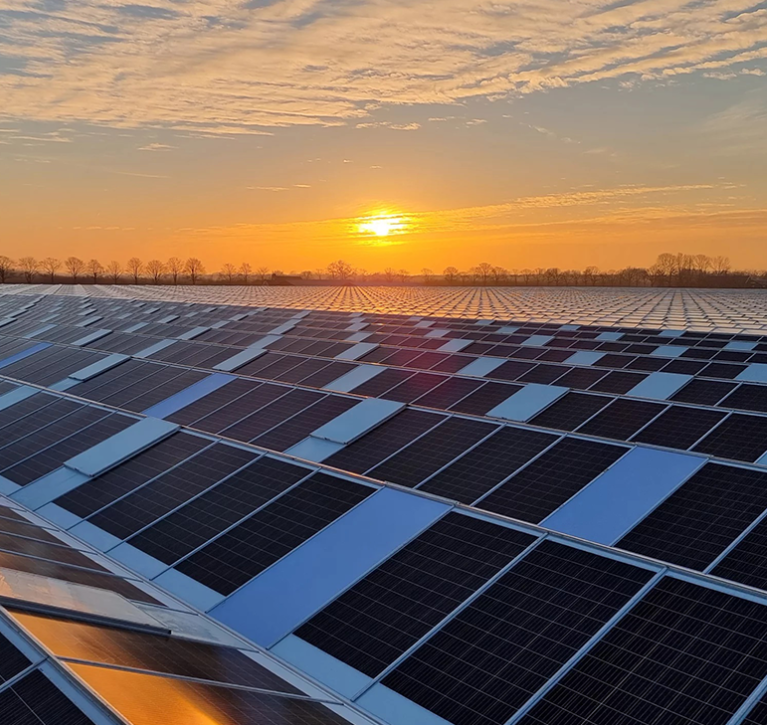
Defining Agrivoltaics and Its Core Principles
Agrivoltaics refers to the simultaneous use of land for both solar energy production and agriculture. The term originates from combining “agriculture” and “photovoltaics.” In a typical agrivoltaic installation, photovoltaic panels are mounted at an elevated height, with spacing and orientation designed to allow sufficient sunlight to reach the crops below. This configuration differs from conventional ground-mounted solar farms where vegetation is often removed or suppressed. The core principle behind agrivoltaics is land-use optimization—achieving a higher total output from a given area by stacking energy generation and food production. Researchers and practitioners study factors such as panel tilt angle, row spacing, and the selection of shade-tolerant plant species to maintain agricultural productivity beneath the arrays.
Key Terminology in Dual-Use Solar Installations
When assessing configurations that place solar panels on agricultural land, a range of technical vocabulary is essential. Photosynthetically active radiation (PAR) describes the portion of sunlight that plants use for growth; agrivoltaic designs aim to balance PAR availability with energy generation. The land equivalent ratio (LER) is a metric that compares the combined output of an agrivoltaic system to monoculture land use, where a value above 1.0 indicates a synergistic gain. Another important concept is the light saturation point, the level of irradiance beyond which additional light does not increase photosynthesis. By allowing some panels to cast periodic shade, the system can prevent crops from exceeding their light saturation threshold, potentially reducing water stress. Evapotranspiration, the sum of evaporation from soil and transpiration from plants, is often lower under the partial cover of solar arrays, which can be advantageous in arid climates. Manufacturers like DMEGC Solar design agrivoltaics solar panels that integrate with such agronomic principles, providing tailored mounting structures and module transparency options to suit different crop environments.
Agronomic and Environmental Interactions
The presence of elevated photovoltaic structures alters the microclimate at ground level. Shade patterns shift throughout the day, and temperatures beneath the panels can be moderated, which may protect sensitive crops from extreme heat. Studies have observed that certain leafy greens, berries, and forage crops perform well under diffuse light conditions created by agrivoltaic arrays. In addition, reduced direct sun exposure can lower soil surface temperatures and decrease water evaporation, contributing to soil moisture retention. The physical infrastructure also necessitates careful planning of farm machinery access paths and irrigation lines. Agrivoltaic systems are not one-size-fits-all; the suitability depends on local climate, crop type, and economic factors. Integrating livestock grazing beneath panels is another emerging practice that adds a layer of land-use complexity and can provide vegetation management while producing meat or dairy.
In closing, the integration of solar panels on agricultural land represents a multifaceted approach to land stewardship and clean energy production. By familiarizing themselves with terms such as agrivoltaics, land equivalent ratio, and photosynthetically active radiation, stakeholders can make informed decisions about project design and management. Continued research and field experience are deepening knowledge of how agricultural and energy systems can coexist. As interest in renewable energy grows, the vocabulary and concepts detailed here will remain central to discussions about sustainable land use.

Tel: +86-579-86588826 (Workday 8:30-17:00)
Tel: +31 (0) 8 58200765
Tel: +86-579-86310330 (Workday 8:30-17:00)
+86-579-86310330 (workday 8:30-17:00 GMT+08:00)
+86-579-86588601 (workday 8:30-17:00 GMT+08:00)


Contact Us
Type of your question
- Business Consulting
- Technical Support
- After-sales Service