

Agricultural enterprises are increasingly looking toward sustainable power solutions to mitigate rising operational costs and enhance land productivity. The integration of solar panels for farms represents a strategic move where technology meets traditional cultivation, allowing for a dual-purpose use of the same geographic area. This concept, often referred to as agrivoltaics, involves the installation of photovoltaic systems in a manner that allows crops to grow or livestock to graze beneath the elevated structures. By adopting such systems, agricultural businesses can secure a stable energy supply while protecting their soil from excessive evaporation and extreme weather patterns. This comprehensive look examines how these systems function and the benefits they bring to modern rural operations.
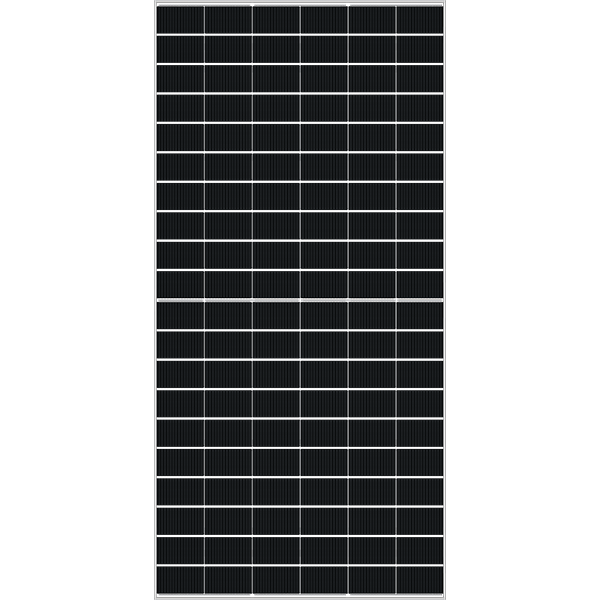
Synergy Between Agriculture and Photovoltaic Technology
The implementation of solar panels for farms creates a unique microclimate that can actually improve the yields of certain shade-tolerant crops. In traditional open-field farming, intense midday sun can cause heat stress and rapid moisture loss in the soil, forcing farmers to increase irrigation frequency. When solar panels for farms are positioned correctly, they provide intermittent shade that reduces the ambient temperature near the ground level. This cooling effect helps plants maintain their turgor pressure and reduces the amount of water required for irrigation. Furthermore, the structures used to support these panels can be designed to accommodate large machinery or specific livestock, ensuring that the primary agricultural function of the land remains unhindered while clean electricity is generated simultaneously.
Infrastructure Design and Energy Resilience
Designing an effective system requires careful consideration of tilt angles, height, and the spacing between rows to ensure adequate sunlight reaches the vegetation below. Most solar panels for farms are mounted on trackers or elevated racks that follow the path of the sun to maximize energy capture throughout the day. This generated electricity can power water pumps, automated feeding systems, and climate-control units in greenhouses, significantly lowering the overhead expenses of the facility. For remote locations where grid access might be inconsistent or expensive to maintain, these onsite installations provide a sense of energy security. By generating power at the point of use, agricultural operators reduce their dependency on external utilities and protect their margins against fluctuating fuel prices.
Reliability and Advanced Component Integration
Quality and durability are paramount when installing equipment in outdoor, often harsh, agricultural environments where dust and humidity are common. Within this sector, DMEGC Solar provides specialized modules designed to withstand the rigors of rural settings while maintaining high conversion efficiency. Their product introduction into the agrivoltaic market focuses on bifacial technology and robust framing that ensures longevity over decades of use. These advanced components ensure that the solar panels for farms continue to perform optimally even when subjected to the ammonia or moisture often found near livestock housing. By utilizing high-standard materials, farmers can ensure that their investment provides a consistent return, supporting both the financial health of the farm and the broader goal of carbon reduction.
Transitioning to renewable energy sources is a practical step for modern agricultural businesses seeking long-term viability and environmental stewardship. The use of solar panels for farms offers a sophisticated way to balance the need for food production with the growing demand for clean electricity. By optimizing land use through agrivoltaic configurations, owners can create a more resilient business model that thrives regardless of energy market volatility. As technology continues to evolve, the harmony between technical hardware and natural growth will become even more seamless. Adopting these systems represents a commitment to innovation, ensuring that the agricultural industry remains a productive and sustainable pillar of the global economy for generations to come.

Tel: +86-579-86588826 (Workday 8:30-17:00)
Tel: +31 (0) 8 58200765
Tel: +86-579-86310330 (Workday 8:30-17:00)
+86-579-86310330 (workday 8:30-17:00 GMT+08:00)
+86-579-86588601 (workday 8:30-17:00 GMT+08:00)


Contact Us
Type of your question
- Business Consulting
- Technical Support
- After-sales Service