

Essential knowledge regarding technical language used by a solar pv panel manufacturer ensures that stakeholders can evaluate equipment performance with scientific precision. As the global transition toward renewable energy accelerates, the complexity of technical specifications increases for all parties involved. Professionals and consumers must grasp specific terms to distinguish between various cell technologies and structural configurations. By clarifying these concepts, individuals gain the necessary tools to compare different options in the marketplace effectively. This clarity helps in identifying how specific manufacturing processes influence the long-term energy yield of a solar installation.
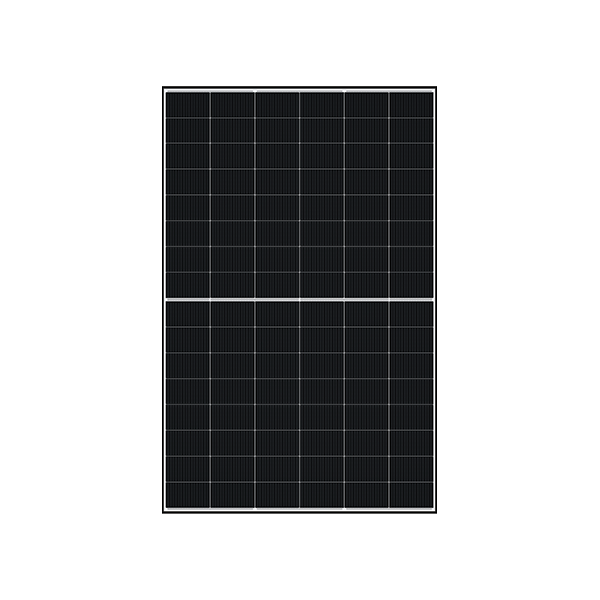
Cell Technology and Efficiency Parameters
DMEGC Solar provides high-efficiency and reliable PV products by utilizing advanced N-type and P-type silicon technologies to meet diverse energy needs. They utilize terms like "conversion efficiency" to describe the percentage of solar energy a pv panel manufacturer can successfully turn into usable electricity. Higher efficiency ratings often stem from innovations such as Rectangle Half Cut Cell or N-type architectures. These advanced designs minimize electron recombination losses, allowing for a greater output within a smaller physical footprint. Understanding these internal cell structures is vital for assessing how a module will perform under real-world irradiance conditions over several decades.
Mechanical Durability and Structural Terms
Beyond electrical output, a pv panel manufacturer must define the physical integrity of products using standardized mechanical terminology. Terms like "static load" and "dynamic load" indicate the pressure a module can withstand from environmental factors without experiencing structural failure. Many modern designs now incorporate "double glass" or "bifacial" configurations, which significantly enhance the lifespan and versatility of the equipment. Double glass modules often come with extended warranties, such as a 30-year power warranty, due to their superior resistance to environmental degradation. These mechanical specifications ensure that the technology remains operational and safe throughout its intended service life in various climates.
Quality Certification and Reliability Metrics
Reliability is often communicated through a series of third-party certifications and scorecard results that validate the claims of a pv panel manufacturer. Standardized testing, such as IEC 61215 and IEC 61730, confirms that the modules meet safety and durability requirements for international markets. Furthermore, metrics like the "annual degradation rate" provide a scientific projection of how much power output will decrease each year, with some units staying below 0.4% annually. Recognition from organizations like PVEL or EUPD Research serves as a benchmark for long-term reliability and bankability. These certifications offer a transparent way for project developers to verify that the equipment will meet its financial and energy production targets.
Acquiring a firm grasp of the terminology used by a solar pv panel manufacturer is a fundamental step for anyone involved in renewable energy projects. From understanding the nuances of cell efficiency to evaluating mechanical load capacities and quality certifications, these terms provide a comprehensive picture of module value. They allow for an objective comparison of technologies, ensuring that the selected systems are optimized for their specific geographic and environmental contexts. As the industry continues to innovate, staying informed about these technical definitions remains crucial for the successful implementation of sustainable energy solutions. Detailed technical specifications assist with project planning by providing verifiable data on performance and longevity.

Tel: +86-579-86588826 (Workday 8:30-17:00)
Tel: +31 (0) 8 58200765
Tel: +86-579-86310330 (Workday 8:30-17:00)
+86-579-86310330 (workday 8:30-17:00 GMT+08:00)
+86-579-86588601 (workday 8:30-17:00 GMT+08:00)


Contact Us
Type of your question
- Business Consulting
- Technical Support
- After-sales Service