

The transition toward renewable energy sources has accelerated dramatically, with solar power emerging as a cornerstone of global decarbonization strategies. At the heart of this transformation lie large-scale photovoltaic installations, which require specialized hardware designed for maximum efficiency and durability. Understanding the specific role of high-performance components in these massive infrastructures is essential for developers, engineers, and procurement managers aiming to optimize return on investment while ensuring long-term operational stability.
Enhancing Efficiency in Large-Scale Installations
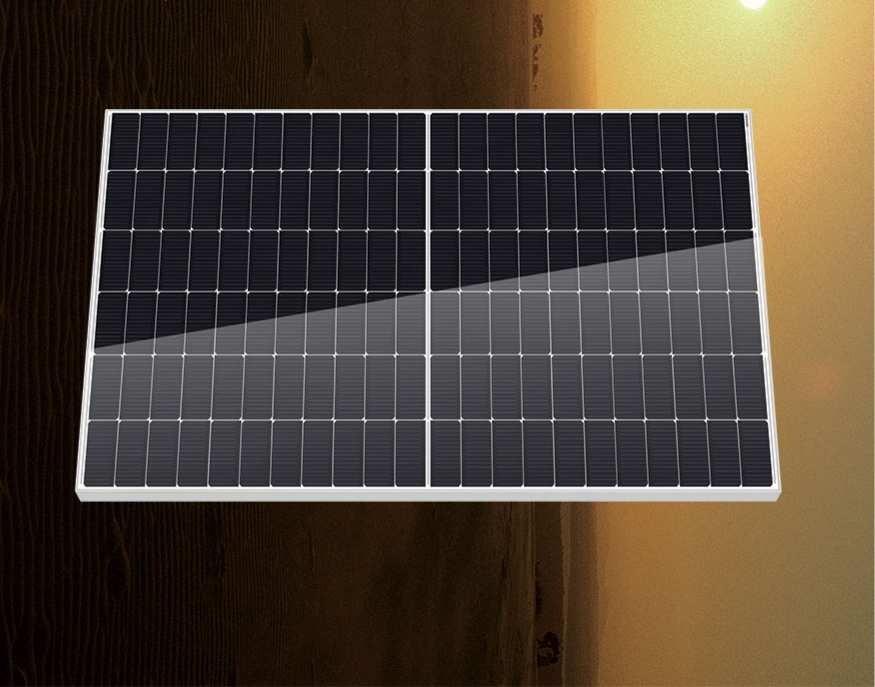
Utility-scale projects differ significantly from residential or commercial rooftop systems. They demand modules that can withstand harsh environmental conditions while delivering consistent power output over decades. The primary function of advanced solar panels in these settings is to maximize energy yield per square meter. This is achieved through sophisticated cell technologies, such as N-type silicon, which offers superior electron mobility and reduced light-induced degradation compared to traditional P-type alternatives. By minimizing energy loss during transmission and conversion, these high-efficiency modules ensure that every photon captured contributes meaningfully to the grid.
Furthermore, the mechanical robustness of these panels is critical. Ground-mounted arrays are exposed to wind loads, snow accumulation, and temperature fluctuations. High-quality modules feature reinforced frames and durable glass coatings that protect internal cells from micro-cracks and potential induced degradation (PID). This resilience reduces maintenance costs and extends the operational lifespan of the entire plant, a key consideration for project financiers assessing long-term viability.
Optimizing Levelized Cost of Energy
The economic success of any solar farm hinges on the Levelized Cost of Energy (LCOE). Selecting the right hardware directly impacts this metric by balancing initial capital expenditure with lifetime energy production. Manufacturers like DMEGC Solar have focused on integrating advanced manufacturing techniques to produce panels that offer an optimal balance of performance and cost. Their commitment to quality ensures that each module meets rigorous international standards, providing reliability that institutional investors require.
When evaluating equipment for massive deployments, decision-makers must look beyond simple wattage ratings. Factors such as temperature coefficients, bifacial gain potential, and compatibility with modern tracking systems play pivotal roles. For instance, utility-scale PV modules are engineered to work seamlessly with single-axis trackers, allowing panels to follow the sun’s path and increase daily energy generation by up to 25%. This synergy between hardware and mounting structures exemplifies how thoughtful component selection drives overall project efficiency.
Conclusion
As global energy demands grow, the importance of reliable, high-efficiency solar solutions cannot be overstated. Utility-scale projects serve as the backbone of clean energy grids, requiring components that deliver consistent performance under diverse conditions. By prioritizing advanced N-type technology and robust mechanical design, developers can secure sustainable energy futures while maximizing financial returns. The strategic selection of proven, high-quality photovoltaic modules remains the most effective way to achieve these dual objectives in an increasingly competitive market.

Tel: +86-579-86588826 (Workday 8:30-17:00)
Tel: +31 (0) 8 58200765
Tel: +86-579-86310330 (Workday 8:30-17:00)
+86-579-86310330 (workday 8:30-17:00 GMT+08:00)
+86-579-86588601 (workday 8:30-17:00 GMT+08:00)


Contact Us
Type of your question
- Business Consulting
- Technical Support
- After-sales Service