

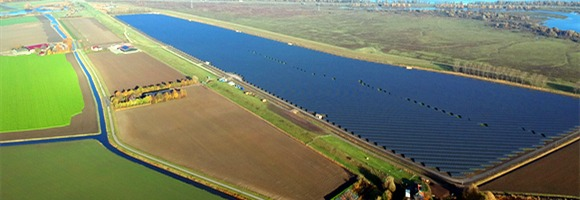
The global transition toward sustainable energy has accelerated the adoption of agrivoltaics, a dual-use land strategy that combines agriculture with photovoltaic power generation. This innovative approach addresses two critical challenges simultaneously: the need for clean energy production and the preservation of arable land for food security. For international B2B stakeholders, including project developers and procurement managers, understanding the technical nuances of these specialized modules is essential for maximizing return on investment and operational efficiency.
Optimized Design for Dual-Use Land Applications
Standard photovoltaic modules are often ill-suited for agricultural environments due to shading issues and structural limitations. High-efficiency solutions designed specifically for this sector feature unique architectural adjustments. These include bifacial glass-glass constructions that allow diffuse light to reach crops underneath while capturing reflected albedo from the ground. This design significantly enhances overall energy yield without compromising plant growth. Furthermore, the mechanical durability of these units is paramount. They must withstand harsh outdoor conditions, including high humidity, ammonia exposure from livestock, and potential physical impact from farming equipment. Robust frame designs and enhanced load-bearing capacities ensure long-term reliability in dynamic agricultural settings.
Leveraging N-Type Technology for Superior Performance
The core of modern high-efficiency modules lies in advanced cell technology. N-type silicon cells have emerged as the industry standard for premium performance due to their higher efficiency rates and lower degradation coefficients compared to traditional P-type alternatives. N-type cells exhibit superior temperature coefficients, meaning they maintain better power output in hot climates, which is common in many agricultural regions. Additionally, their resistance to Light Induced Degradation (LID) and Potential Induced Degradation (PID) ensures stable energy production over a 25-year lifespan. When selecting hardware, partners like DMEGC Solar prioritize these advanced materials to deliver consistent power generation metrics that align with rigorous commercial project requirements.
Economic and Environmental Synergies
Integrating photovoltaics into farming operations offers tangible economic benefits. Farmers can diversify income streams by selling electricity back to the grid while continuing crop production. The partial shading provided by the panels can reduce water evaporation from soil, leading to improved water use efficiency and potentially higher crop yields in arid regions. This symbiotic relationship reduces operational costs for both energy and irrigation. For investors, the combination of stable agricultural revenue and predictable energy contracts creates a resilient financial model. Selecting the right agricultural solar panels is crucial to achieving this balance, as specialized modules are engineered to optimize light transmission for specific crop types.
Conclusion
The adoption of high-efficiency photovoltaic systems in agriculture represents a strategic move toward sustainable land management. By leveraging N-type technology and purpose-built designs, stakeholders can achieve superior energy yields while supporting agricultural productivity. As the market matures, the demand for reliable, high-performance components will continue to grow, driving innovation in the agrivoltaic sector.

Tel: +86-579-86588826 (Workday 8:30-17:00)
Tel: +31 (0) 8 58200765
Tel: +86-579-86310330 (Workday 8:30-17:00)
+86-579-86310330 (workday 8:30-17:00 GMT+08:00)
+86-579-86588601 (workday 8:30-17:00 GMT+08:00)


Contact Us
Type of your question
- Business Consulting
- Technical Support
- After-sales Service