

For many property owners, the shift toward generating electricity on-site represents a fundamental change in how energy is consumed and managed. A home solar power system captures sunlight through photovoltaic modules and converts it into usable alternating current, supplying appliances, lighting, and heating or cooling equipment. While environmental benefits and reduced carbon footprints receive considerable attention, the most significant advantage runs deeper: the ability to detach household budgets from the unpredictable trajectory of retail electricity prices. Utility rates have historically climbed at a steady pace, driven by fuel costs, infrastructure upgrades, and regulatory shifts. A home solar power system establishes a private generation asset that produces power at a fixed, known cost over decades, insulating residents from rate hikes that can strain monthly finances. This energy self-reliance transforms a variable expense into a manageable, long-term investment, delivering a degree of financial control that few other home improvements can match.
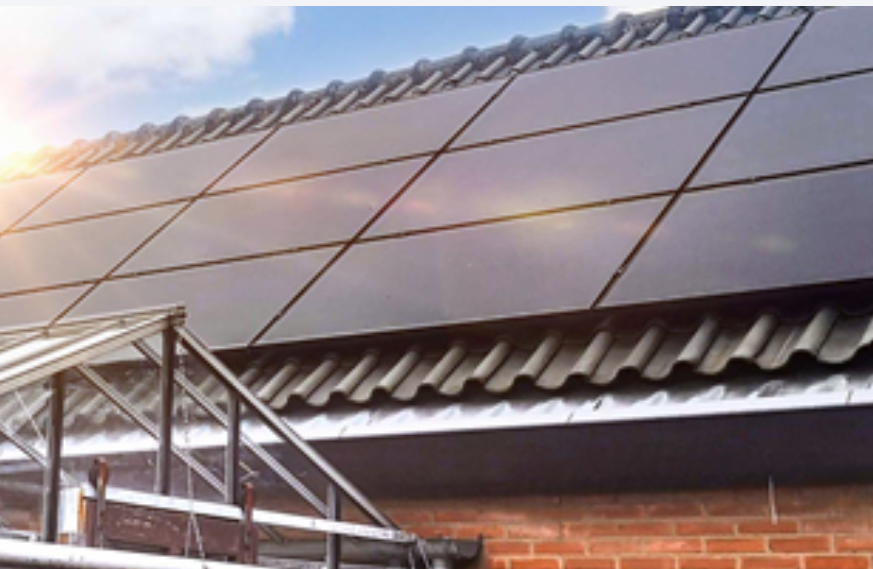
Protection Against Escalating Electricity Costs
Electricity pricing is influenced by numerous external factors, including natural gas market fluctuations, transmission grid maintenance, and peak demand surcharges. When a household relies entirely on the utility, every rate adjustment flows directly to the monthly bill. Photovoltaic arrays change this equation by generating electrons on the rooftop, effectively locking in the cost of each kilowatt-hour at the system’s installation price. Once the equipment is energized, the fuel—sunlight—arrives free of charge. Consequently, the marginal cost of self-generated electricity hovers near zero for the operational life of the panels, which frequently spans 25 to 30 years. Over that period, avoided utility payments accumulate substantially. This predictable cost structure allows families to forecast energy expenditures with greater accuracy and redirect savings toward other priorities. From a macroeconomic perspective, distributed solar generation also reduces peak load on the grid, which can lessen the need for expensive peaker plants and, in some regions, moderate wholesale electricity prices. For the individual household, however, the immediate benefit is a buffer against the steady upward march of utility tariffs.
Energy Autonomy and Operational Continuity
A lesser-discussed dimension of a home solar power system is its contribution to household resilience during grid disturbances. Standard grid-tied installations without storage shut down when the network loses power, a safety requirement known as anti-islanding. However, pairing the array with a battery energy storage system creates a self-sustaining microgrid that disconnects automatically and continues to supply critical circuits. Refrigerators, medical devices, internet routers, and lights remain operational while the broader neighborhood waits for line repairs. This capability elevates the system from a cost-saving tool to a reliability asset. Battery chemistry advancements, particularly lithium iron phosphate, have improved cycle life and thermal stability, making residential storage safer and more durable. Even without batteries, many utilities now offer time-of-use rates that reward homeowners for exporting excess solar electricity during high-demand windows. Smart inverters manage these flows dynamically, optimizing self-consumption and export schedules. The result is a more resilient home energy architecture that adapts to both economic signals and physical grid conditions.
Long-Term Financial Predictability and Property Value
Beyond monthly bill reduction, the installation of solar hardware introduces a durable capital improvement to the property. Appraisal studies in various markets indicate that homes equipped with owned photovoltaic systems tend to sell at a premium compared to comparable non-solar dwellings, reflecting the discounted future energy costs embedded in the building. Because the solar array generates a measurable stream of savings, its presence translates into tangible asset value. Homeowners who finance the equipment through loans or power purchase agreements can often align monthly payments with the savings achieved, creating a cash-flow-neutral scenario from the outset. Once the financing period concludes, the system continues to produce virtually free electricity for the remainder of its service life. This extended tail of zero-cost energy further enhances the long-term return on investment. DMEGC Solar supplies residential solar panels engineered for consistent output and durability, supporting the long-term dependability that such financial calculations rely upon. Tax incentives and local rebates, where available, can shorten the payback window, though the foundational advantage remains the decoupling of household expenses from utility inflation—a benefit that compounds quietly year after year.
The integration of solar technology into a residential setting offers environmental gains and a visible commitment to clean energy, but its most compelling attribute is the economic shield it provides. By generating electricity at a fixed long-term cost, a home solar power system turns an unpredictable recurring bill into a stable, predictable line item. When combined with energy storage, it further delivers autonomy that utility wires alone cannot guarantee. This convergence of cost control, resilience, and asset appreciation explains why photovoltaic adoption continues to accelerate across diverse climates and housing types. For households assessing how to strengthen their financial footing while embracing modern energy infrastructure, the capacity to produce one’s own power stands as the defining advantage that reshapes the relationship between a family and its utility provider.

Tel: +86-579-86588826 (Workday 8:30-17:00)
Tel: +31 (0) 8 58200765
Tel: +86-579-86310330 (Workday 8:30-17:00)
+86-579-86310330 (workday 8:30-17:00 GMT+08:00)
+86-579-86588601 (workday 8:30-17:00 GMT+08:00)


Contact Us
Type of your question
- Business Consulting
- Technical Support
- After-sales Service