

The global transition toward renewable energy has accelerated the adoption of photovoltaic systems across various sectors. While the fundamental technology remains consistent, the application requirements for homes and businesses differ significantly. Understanding the distinctions between residential and commercial solar installations is crucial for procurement managers, energy developers, and system integrators aiming to optimize return on investment and operational efficiency.
Scale and System Architecture
The most apparent difference lies in the scale of installation. Residential systems typically range from 3 kW to 10 kW, designed to fit limited roof spaces on single-family homes. In contrast, commercial projects often exceed 100 kW, utilizing vast rooftop areas or ground-mounted arrays. This scale difference dictates the electrical architecture. Residential setups usually employ single-phase inverters, whereas commercial facilities require three-phase inverters to handle higher voltage loads and ensure grid stability.
Furthermore, commercial installations demand more robust mounting structures capable of withstanding greater wind loads and supporting heavier equipment over larger spans. The complexity of wiring and combiner boxes also increases substantially in commercial settings, requiring meticulous engineering to minimize transmission losses across long cable runs.
Efficiency and Technology Selection
Efficiency requirements vary based on available surface area. Residential owners often prioritize high-efficiency modules to maximize generation within constrained roof dimensions. Technologies such as N-type cells have gained prominence here due to their superior temperature coefficients and degradation rates. These advanced cells ensure that every square meter generates maximum power, which is critical when space is a premium constraint.
For large-scale industrial applications, the focus shifts slightly toward levelized cost of energy (LCOE). While efficiency remains important, durability and long-term performance guarantees become paramount. Businesses seek solutions that offer stable output over decades to offset significant operational electricity costs. Leading manufacturers like DMEGC Solar provide diverse module options tailored to these specific needs, ensuring that both aesthetic residential roofs and expansive industrial warehouses receive optimized energy solutions.
Economic Models and Regulatory Compliance
Financial structures also diverge. Residential projects often rely on net metering and individual tax incentives. Commercial entities, however, may engage in power purchase agreements (PPAs) or utilize accelerated depreciation models. The selection of commercial solar panels must align with these financial instruments, ensuring that the hardware meets the stringent reliability standards required by corporate sustainability goals and investor expectations.
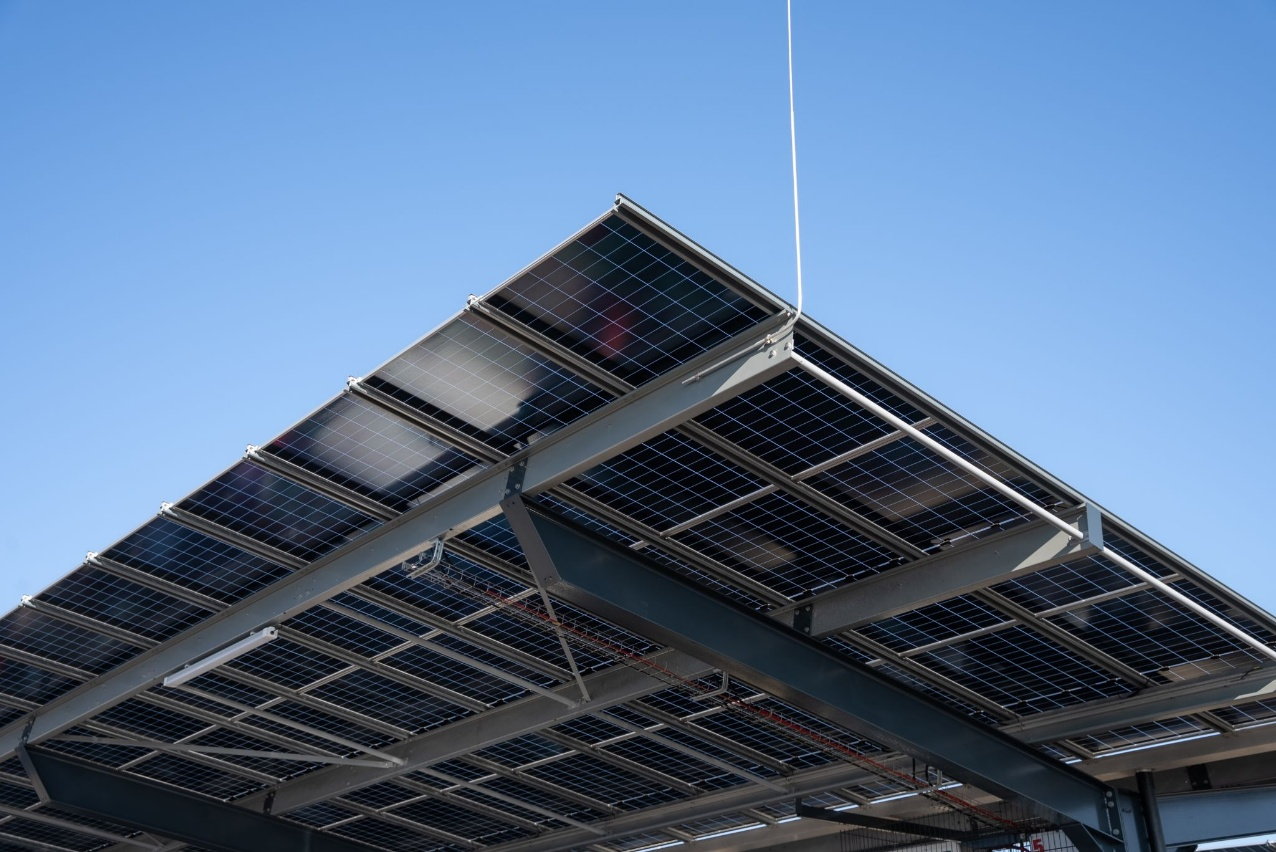
Regulatory compliance for commercial sites involves stricter adherence to local building codes, fire safety regulations, and grid interconnection standards. These factors necessitate professional design and certification processes that are less common in smaller residential jobs.
Conclusion
Choosing between residential and commercial solar solutions requires a nuanced understanding of scale, technology, and economic drivers. While residential systems focus on space optimization and aesthetics, commercial projects prioritize durability, three-phase compatibility, and long-term financial returns. By selecting the appropriate technology and partner, stakeholders can ensure sustainable energy independence tailored to their specific operational contexts.

Tel: +86-579-86588826 (Workday 8:30-17:00)
Tel: +31 (0) 8 58200765
Tel: +86-579-86310330 (Workday 8:30-17:00)
+86-579-86310330 (workday 8:30-17:00 GMT+08:00)
+86-579-86588601 (workday 8:30-17:00 GMT+08:00)


Contact Us
Type of your question
- Business Consulting
- Technical Support
- After-sales Service