

The transition toward renewable energy has shifted from a mere environmental preference to a critical financial strategy for businesses worldwide. As electricity rates fluctuate and corporate sustainability mandates tighten, facility managers and procurement officers are increasingly evaluating the return on investment for on-site power generation. The central question remains: do the upfront costs justify the long-term benefits? For most medium-to-large enterprises, the answer is a resounding yes, provided the system is engineered for maximum efficiency and durability.
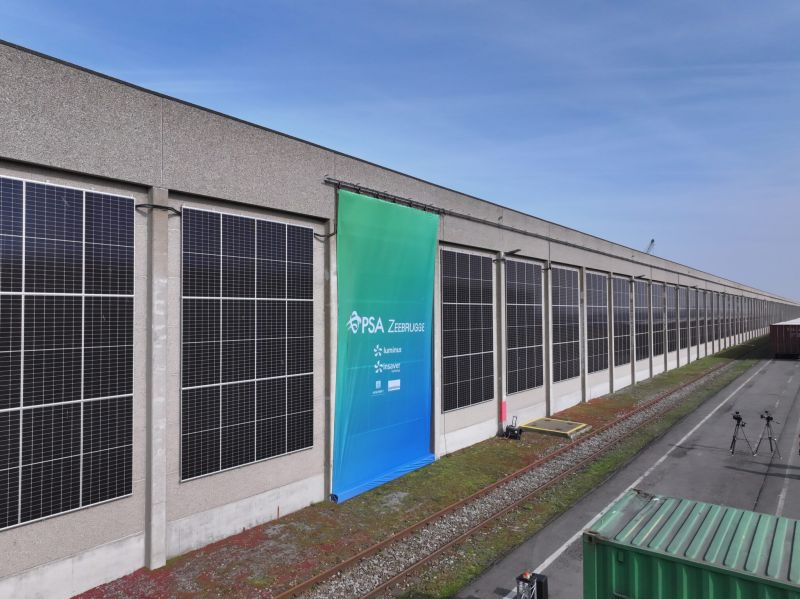
Financial Viability and Operational Savings
The primary driver for adopting solar technology is cost reduction. Commercial entities typically operate during peak sunlight hours, allowing them to consume generated power immediately rather than relying on the grid. This self-consumption model significantly lowers monthly utility bills. Furthermore, many governments offer tax credits, accelerated depreciation schemes, and rebates that can offset up to 30% of the initial installation cost. When combined with net metering policies, where excess energy is sold back to the grid, the payback period for a well-designed system often falls between five to seven years. Given that modern photovoltaic modules have lifespans exceeding 25 years, the subsequent decades represent pure profit generation through reduced operational expenditures.
Enhancing Brand Value with N-type Technology
Beyond immediate financial gains, solar adoption enhances corporate reputation. Consumers and investors increasingly favor companies with demonstrable commitments to Environmental, Social, and Governance (ESG) criteria. Installing high-efficiency modules signals a proactive approach to carbon footprint reduction. Technological advancements have further improved the value proposition. Modern N-type cells, for instance, offer higher conversion efficiencies and better temperature coefficients compared to traditional P-type PERC modules. This means they perform more consistently in hot climates and degrade slower over time, ensuring higher energy yields throughout the system’s life.
Selecting the right hardware is crucial for maximizing these benefits. Industry leaders like DMEGC Solar provide robust manufacturing capabilities and vertically integrated supply chains, ensuring consistent quality and reliable delivery schedules for large-scale projects. Their expertise in both photovoltaic modules and magnetic materials underscores a deep technical foundation that supports long-term system reliability.
Strategic Implementation for Long-Term Gains
To ensure viability, businesses must conduct thorough site assessments and energy audits. Roof integrity, shading analysis, and local regulatory frameworks play pivotal roles in project feasibility. Investing in high-quality commercial solar panels ensures that the system withstands harsh weather conditions while maintaining optimal output levels. By prioritizing durable, high-efficiency components, businesses can secure a stable energy future, mitigate rising electricity costs, and align with global sustainability goals. The integration of solar energy is no longer just an alternative; it is a strategic imperative for competitive commercial operations.

Tel: +86-579-86588826 (Workday 8:30-17:00)
Tel: +31 (0) 8 58200765
Tel: +86-579-86310330 (Workday 8:30-17:00)
+86-579-86310330 (workday 8:30-17:00 GMT+08:00)
+86-579-86588601 (workday 8:30-17:00 GMT+08:00)


Contact Us
Type of your question
- Business Consulting
- Technical Support
- After-sales Service