

The transition to renewable energy is no longer just an environmental statement for industrial facilities; it is a strategic financial imperative. For manufacturing plants with high energy consumption, installing photovoltaic systems offers a viable path to reduce operational expenditures and hedge against volatile electricity prices. However, the initial capital outlay can be significant. Understanding the nuanced factors that influence the price of solar installations is essential for procurement managers and facility directors aiming to maximize return on investment.
Key Components Influencing System Costs
The primary driver of total system cost is the solar module itself, typically accounting for 40% to 50% of the overall budget. The choice between P-type PERC and advanced N-type technologies significantly impacts both pricing and long-term yield. N-type modules, known for their higher efficiency and lower degradation rates, often command a premium upfront but deliver superior energy generation over the system’s lifespan. This higher energy yield per square meter is particularly valuable for factories with limited roof space.
Beyond the modules, balance of system (BOS) components such as inverters, mounting structures, and cabling contribute substantially to the final quote. Industrial roofs often require specialized mounting solutions to withstand heavy loads or unique structural constraints, which can increase installation labor and material costs. Additionally, the complexity of the electrical integration with existing factory infrastructure plays a role. Facilities requiring extensive grid upgrades or smart energy management systems will face higher soft costs compared to simpler installations.
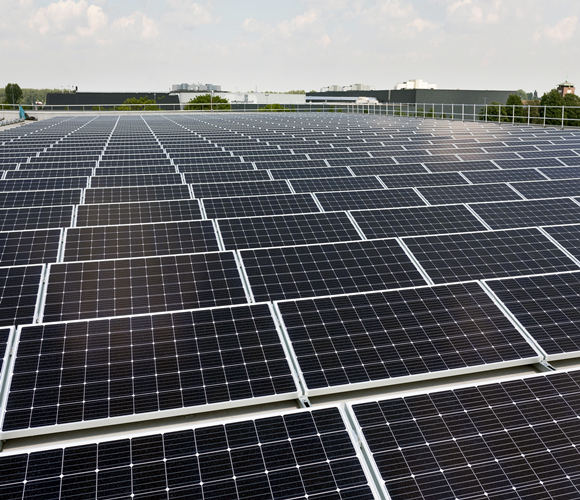
Evaluating Long-Term Value and ROI
When analyzing prices, it is critical to look beyond the initial sticker price and consider the levelized cost of energy (LCOE). High-quality components may have a higher upfront cost but offer better durability and performance warranties, reducing maintenance expenses and ensuring consistent power output for decades. Leading manufacturers like DMEGC Solar emphasize rigorous quality control and advanced cell technology to ensure that their modules maintain high efficiency under various environmental conditions, thereby protecting the investor’s long-term interests.
For industrial decision-makers, selecting the right partner involves evaluating technical support, warranty terms, and the proven track record of the supplier. The reliability of the supply chain is also a crucial factor, as delays can halt production schedules and inflate project costs. Companies seeking robust solutions should prioritize vendors with global manufacturing capabilities and certified product lines. Those specifically looking for tailored industrial solutions can explore specialized offerings such as solar panels for factories to ensure the technology matches their specific operational requirements.
Conclusion
Investing in solar energy for industrial applications requires a comprehensive understanding of cost drivers and value propositions. By focusing on high-efficiency technologies like N-type modules and considering the total lifecycle cost rather than just the initial price, factories can secure a sustainable and profitable energy future. Careful selection of components and partners ensures that the transition to solar power delivers maximum financial and operational benefits.

Tel: +86-579-86588826 (Workday 8:30-17:00)
Tel: +31 (0) 8 58200765
Tel: +86-579-86310330 (Workday 8:30-17:00)
+86-579-86310330 (workday 8:30-17:00 GMT+08:00)
+86-579-86588601 (workday 8:30-17:00 GMT+08:00)


Contact Us
Type of your question
- Business Consulting
- Technical Support
- After-sales Service