

As corporate sustainability mandates tighten and energy costs fluctuate globally, commercial entities are increasingly turning to photovoltaic solutions to secure long-term operational stability. By 2026, the market for commercial solar technology will be defined by higher efficiency rates, enhanced durability, and superior aesthetic integration. Selecting the right module is no longer just about immediate cost savings; it is about maximizing energy yield per square meter and ensuring asset longevity. For procurement managers and energy developers, understanding the nuanced differences between available technologies is critical for making informed investment decisions.
The Rise of N-Type Technology in Commercial Applications
The most significant shift in the 2026 landscape is the widespread adoption of N-type cell technology. Unlike traditional P-type PERC modules, N-type cells offer lower degradation rates and better performance in low-light conditions. This technological leap means that commercial installations can generate more kilowatt-hours over the system’s lifetime, directly improving the return on investment. High-efficiency bifacial modules, which capture sunlight from both the front and rear sides, are particularly effective for large-scale rooftop projects and ground-mounted arrays with reflective surfaces. These modules often achieve conversion efficiencies exceeding 22%, making them a preferred choice for businesses with limited roof space but high energy demands.
Durability and Aesthetic Integration
For modern enterprises, the physical resilience of solar assets is paramount. Modules designed for harsh environments feature reinforced glass and robust framing to withstand heavy snow loads, hail, and high winds. Furthermore, all-black designs are gaining traction among retail and hospitality sectors where visual appeal influences customer perception. These aesthetically pleasing options do not compromise on performance, offering a sleek look that integrates seamlessly with contemporary architecture. Companies like DMEGC Solar have been instrumental in advancing these dual-purpose modules, balancing high power output with design flexibility. This approach ensures that solar installations contribute positively to a brand’s image while delivering tangible energy benefits.
Selecting the Right Solution for Your Enterprise
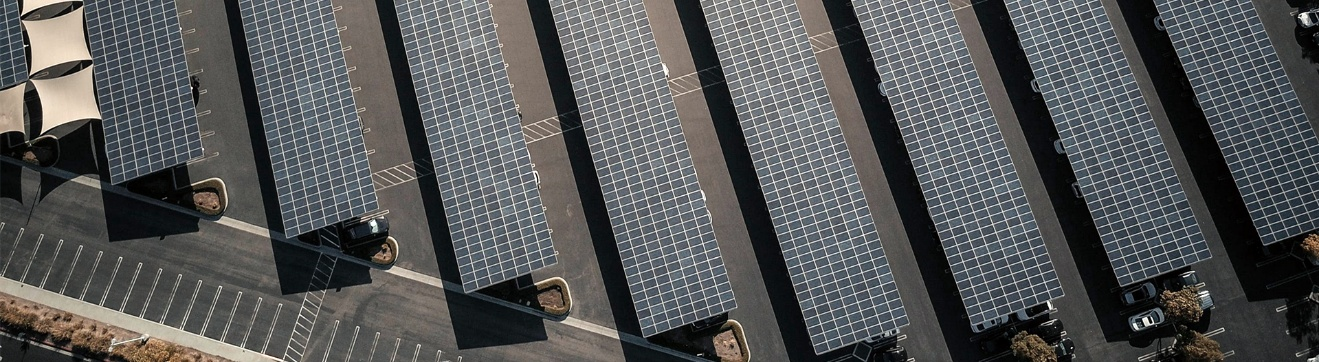
When evaluating options, businesses must consider specific site conditions, local climate data, and energy consumption patterns. It is essential to partner with manufacturers who provide comprehensive warranties and reliable supply chains. The ideal choice often involves a mix of high-efficiency standard modules for maximum generation and specialized units for visible areas. Exploring dedicated resources for solar panels for businesses can help decision-makers compare technical specifications and identify systems that align with their strategic goals. Ultimately, the best option for 2026 is one that offers a balanced combination of efficiency, durability, and financial viability, ensuring that the solar investment remains a profitable asset for decades.

Tel: +86-579-86588826 (Workday 8:30-17:00)
Tel: +31 (0) 8 58200765
Tel: +86-579-86310330 (Workday 8:30-17:00)
+86-579-86310330 (workday 8:30-17:00 GMT+08:00)
+86-579-86588601 (workday 8:30-17:00 GMT+08:00)


Contact Us
Type of your question
- Business Consulting
- Technical Support
- After-sales Service