

The transition to energy independence is a growing trend among homeowners, remote property developers, and commercial entities seeking resilience against grid instability. The central question remains: is it technically and economically feasible to live completely off-grid using only solar photovoltaic (PV) technology? The answer is affirmative, but it requires meticulous system design, accurate load calculation, and high-efficiency components. Achieving total autonomy involves more than just installing modules on a roof; it demands a holistic approach to energy generation, storage, and consumption management.
Understanding Energy Autonomy and System Sizing
Living off-grid means disconnecting entirely from the utility network. This eliminates monthly electricity bills but places the full burden of power reliability on the local system. The first step in this process is conducting a detailed energy audit. Users must calculate their daily kilowatt-hour (kWh) consumption, accounting for seasonal variations. Winter months often present the greatest challenge due to shorter daylight hours and potentially lower solar irradiance. Therefore, systems must be oversized to handle worst-case scenarios.
Reliability hinges on the efficiency of the PV modules selected. Modern advancements have significantly improved performance in low-light conditions. For instance, N-type solar cells offer superior degradation rates and higher efficiency compared to traditional P-type counterparts. These technical improvements allow for greater energy yield per square meter, which is crucial for properties with limited roof space. Companies like DMEGC Solar have been instrumental in advancing these technologies, providing robust modules that maintain high output over decades of operation. This longevity is vital for off-grid setups where maintenance access might be difficult or costly.
The Critical Role of Storage and Battery Management
Solar energy is intermittent, making energy storage the backbone of any off-grid solution. Without a battery bank, excess energy generated during the day is wasted, and no power is available at night. Lithium-ion batteries, particularly Lithium Iron Phosphate (LiFePO4), have become the standard due to their deep discharge capabilities and long cycle life. The battery capacity must be sufficient to cover several days of autonomy, ensuring power availability during extended periods of cloudy weather.
Integrating smart inverters and charge controllers is equally important. These devices manage the flow of electricity between the panels, batteries, and loads, optimizing efficiency and protecting equipment from voltage fluctuations. For larger installations or commercial applications, selecting the right hardware is complex. Professionals often recommend specific solar panels for off grid living that are designed to withstand harsh environmental conditions while delivering consistent performance. These specialized solutions ensure that the system remains stable even under heavy loads or extreme temperatures.
Conclusion
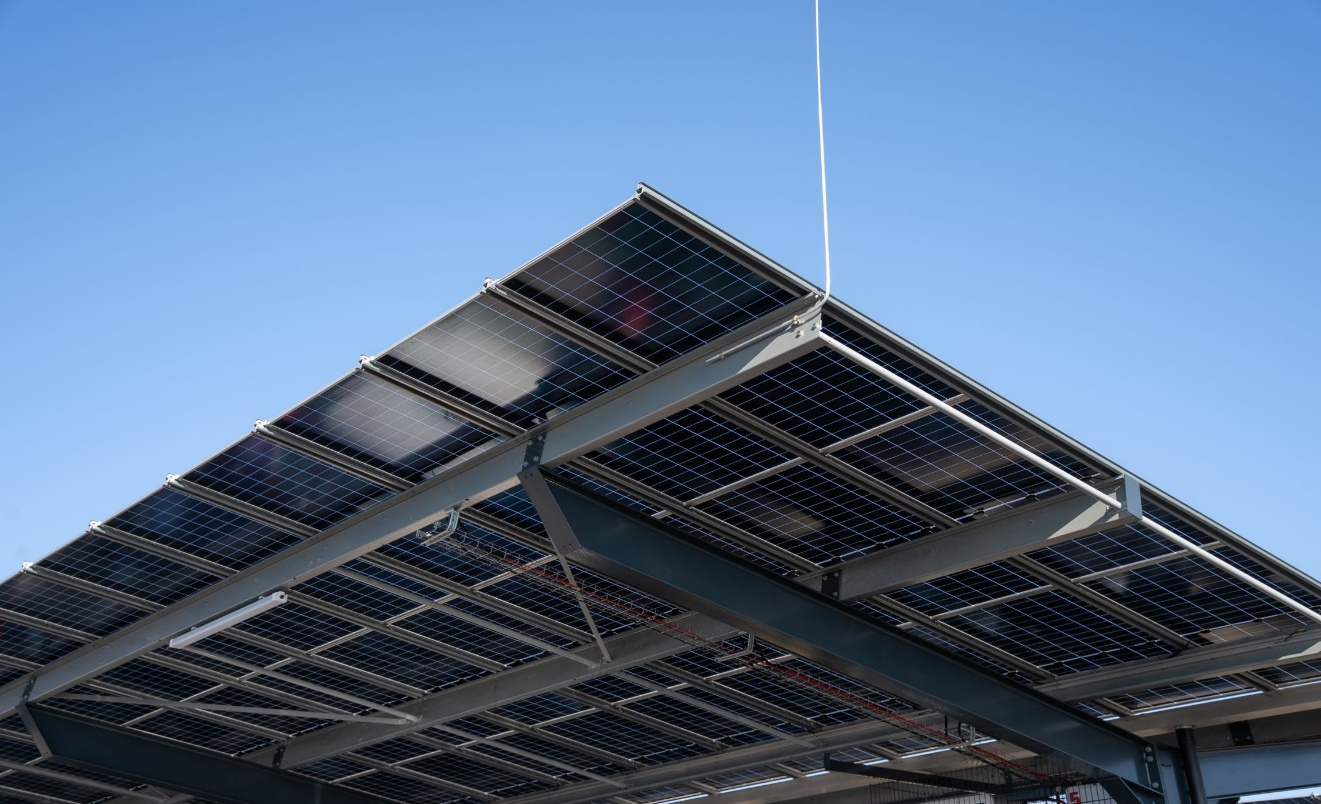 Complete off-grid living with solar power is achievable but requires careful planning. Success depends on accurate energy auditing, high-efficiency N-type modules, and substantial battery storage. By leveraging advanced photovoltaic technology and professional system design, individuals and businesses can achieve true energy independence, reducing their carbon footprint while securing a reliable power supply for the future.

Tel: +86-579-86588826 (Workday 8:30-17:00)
Tel: +31 (0) 8 58200765
Tel: +86-579-86310330 (Workday 8:30-17:00)
+86-579-86310330 (workday 8:30-17:00 GMT+08:00)
+86-579-86588601 (workday 8:30-17:00 GMT+08:00)


Contact Us
Type of your question
- Business Consulting
- Technical Support
- After-sales Service