

The global commercial solar sector is undergoing a significant transformation as businesses increasingly prioritize energy independence and sustainability. By 2026, the market for commercial photovoltaic installations is projected to expand robustly, driven by stringent carbon regulations, volatile grid electricity prices, and advanced module technologies. For procurement managers and energy developers, understanding these shifting dynamics is essential for making informed investment decisions that ensure long-term operational efficiency and financial return.
Technological Shifts Driving Efficiency
A primary catalyst for market growth is the rapid adoption of high-efficiency cell technologies. The industry is moving decisively away from traditional P-type PERC modules toward N-type technologies, which offer superior temperature coefficients and lower degradation rates. These advancements are particularly critical for commercial applications where roof space may be limited, requiring maximum power output per square meter. N-type cells maintain higher energy yields in hot climates and low-light conditions, directly enhancing the levelized cost of energy (LCOE) for large-scale projects.
Manufacturers are also focusing on bifacial modules that capture sunlight from both sides, further boosting generation potential when installed on reflective roofing materials. This technological evolution ensures that modern installations deliver consistent performance over a 25-year lifespan, reducing maintenance costs and improving overall project viability. Companies like DMEGC Solar have been instrumental in scaling these advanced manufacturing processes, ensuring a steady supply of high-quality modules that meet international reliability standards.
Economic Incentives and Regulatory Frameworks
Government policies continue to shape the commercial solar landscape. Many nations are extending tax credits, accelerated depreciation benefits, and net-metering agreements to encourage corporate renewable energy adoption. In Europe and North America, mandatory carbon reporting requirements are pushing corporations to decarbonize their Scope 2 emissions, making onsite solar generation a strategic necessity rather than just a cost-saving measure.
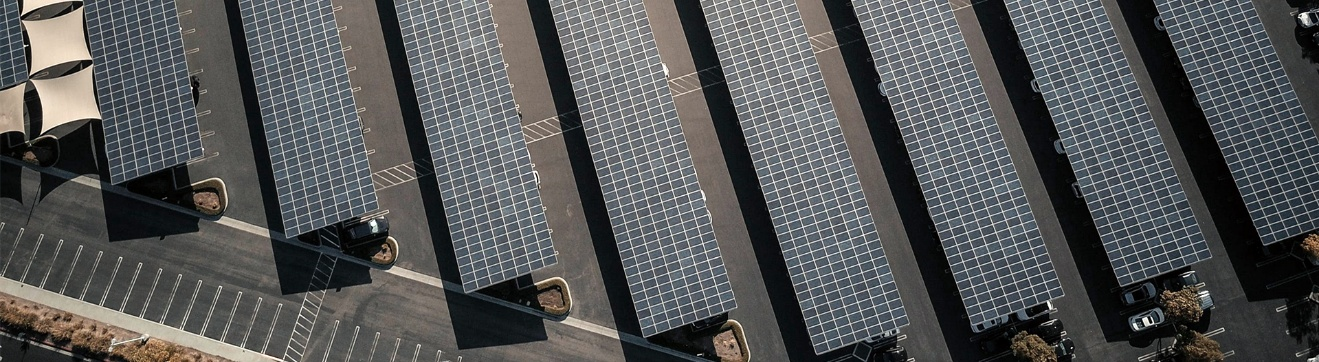
Furthermore, the integration of smart energy management systems allows businesses to optimize consumption patterns alongside solar production. This synergy reduces peak demand charges and enhances grid stability. As battery storage costs decline, hybrid systems are becoming more common, allowing facilities to store excess daytime generation for use during evening peaks.
Strategic Procurement for Future Projects
Selecting the right equipment is paramount for project success. Developers must evaluate modules based on verified performance data, warranty terms, and bankability. High-quality commercial rooftop solar panels provide the durability needed to withstand harsh weather conditions while maintaining optimal efficiency. As the market matures in 2026, the focus will shift from initial capital expenditure to total lifetime value, emphasizing the importance of partnering with established manufacturers who offer comprehensive technical support and reliable supply chains.

Tel: +86-579-86588826 (Workday 8:30-17:00)
Tel: +31 (0) 8 58200765
Tel: +86-579-86310330 (Workday 8:30-17:00)
+86-579-86310330 (workday 8:30-17:00 GMT+08:00)
+86-579-86588601 (workday 8:30-17:00 GMT+08:00)


Contact Us
Type of your question
- Business Consulting
- Technical Support
- After-sales Service