

The global transition toward renewable energy is accelerating, driven by the urgent need to decarbonize power grids and ensure energy security. As solar photovoltaic (PV) technology matures, the focus has shifted from mere generation capacity to grid stability and dispatchability. Integrating large-scale solar farms with robust energy storage systems (ESS) has become a critical strategy for modern utility developers. This synergy allows for the smoothing of intermittent output, peak shaving, and enhanced reliability, making solar a viable baseload power source.
The Role of High-Efficiency Modules in Large Projects
Utility-scale projects demand components that offer not only high power output but also long-term durability and low levelized cost of energy (LCOE). Recent advancements in cell technology have significantly improved module efficiency. N-type cells, for instance, provide superior temperature coefficients and lower degradation rates compared to traditional P-type alternatives. These technical advantages are crucial for massive installations where even a fractional increase in efficiency translates to substantial energy gains over a project’s twenty-five-year lifespan.
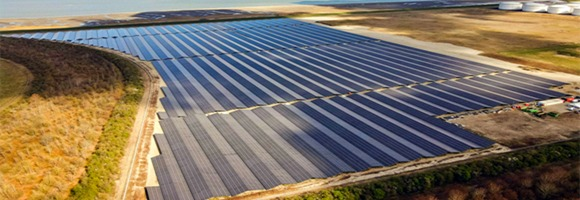
Manufacturers like DMEGC Solar have responded to these market demands by producing high-performance modules specifically engineered for rigorous commercial and industrial environments. By utilizing advanced manufacturing techniques and high-quality materials, these modules ensure consistent performance under varying environmental conditions. For procurement managers and project developers, selecting modules with proven reliability records is essential to minimizing operational risks and maximizing return on investment.
Optimizing Storage Integration with Modern PV Arrays
Integrating storage with solar requires careful planning regarding voltage levels, inverter compatibility, and spatial efficiency. High-wattage modules reduce the balance of system (BOS) costs by decreasing the number of racks, cables, and labor hours required per megawatt. When deploying utility scale solar panels, developers can optimize land use and streamline the connection to battery inverters. This optimization is vital for maintaining project economics while meeting strict interconnection requirements.
Furthermore, the predictability of N-type technology aids in more accurate energy yield modeling. Precise forecasting allows storage systems to charge and discharge more effectively, aligning energy supply with grid demand patterns. This coordination reduces curtailment and enhances the overall value proposition of the hybrid plant. As grid codes become stricter regarding frequency regulation and voltage support, the combination of high-efficiency PV and smart storage becomes indispensable.
Conclusion
The future of renewable energy lies in the seamless integration of generation and storage. By leveraging advanced module technologies and strategic system design, utility-scale projects can deliver reliable, clean power around the clock. As the industry continues to innovate, the collaboration between high-performance PV manufacturers and storage solution providers will define the next era of sustainable energy infrastructure. Developers who prioritize efficiency and reliability today will lead the market tomorrow.

Tel: +86-579-86588826 (Workday 8:30-17:00)
Tel: +31 (0) 8 58200765
Tel: +86-579-86310330 (Workday 8:30-17:00)
+86-579-86310330 (workday 8:30-17:00 GMT+08:00)
+86-579-86588601 (workday 8:30-17:00 GMT+08:00)


Contact Us
Type of your question
- Business Consulting
- Technical Support
- After-sales Service