

The successful deployment of utility-scale photovoltaic projects hinges on meticulous site selection and strategic planning. As global energy demands shift toward renewable sources, developers and procurement managers must navigate complex geographical, regulatory, and technical landscapes. Proper siting ensures maximum energy yield, minimizes operational risks, and enhances the long-term financial viability of solar assets. Understanding the critical factors involved in site assessment is essential for any organization aiming to optimize their renewable energy portfolio.
Evaluating Geographical and Environmental Factors
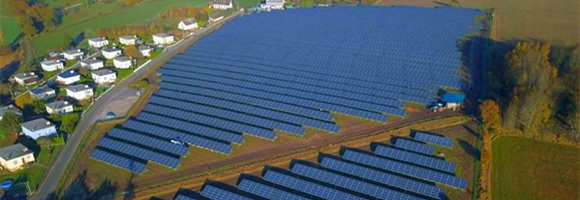
The physical characteristics of a location play a pivotal role in determining the efficiency of a solar installation. Solar irradiance levels are the primary metric for assessing potential energy generation. Sites with high direct normal irradiance (DNI) and minimal cloud cover offer superior performance. However, irradiance alone is insufficient. Topography significantly impacts construction costs and panel orientation. Flat or gently sloping terrain reduces earthworks requirements and facilitates easier maintenance access. Conversely, steep slopes may necessitate specialized mounting structures, increasing capital expenditure.
Environmental conditions such as wind speed, snow load, and ambient temperature also influence system design. High wind areas require robust mounting systems to ensure structural integrity, while regions with heavy snowfall need panels with higher mechanical load ratings. Furthermore, proximity to water bodies can introduce humidity-related corrosion risks, requiring modules with enhanced durability and anti-corrosion coatings. Developers must conduct thorough environmental impact assessments to mitigate ecological disruptions and comply with local conservation laws.
Grid Connectivity and Regulatory Compliance
Proximity to existing transmission infrastructure is a decisive factor in site selection. Connecting to the grid at high-voltage substations reduces transmission losses and lowers interconnection costs. Sites located far from grid infrastructure may require extensive new line construction, which can delay project timelines and inflate budgets. Additionally, land use regulations and zoning laws vary significantly by region. Securing necessary permits involves navigating local, state, and federal requirements, including environmental clearances and land rights agreements.
Engaging with local communities and stakeholders early in the process helps address concerns and fosters positive relationships. Transparent communication regarding project benefits, such as job creation and tax revenue, can streamline approval processes. Legal due diligence is equally critical to ensure clear land title and avoid future disputes.
Optimizing Technology for Utility-Scale Projects
Selecting the right technology complements effective siting. Modern utility-scale projects increasingly rely on high-efficiency modules to maximize land use. For instance, N-type bifacial modules capture reflected light from the ground, boosting overall energy yield. Companies like DMEGC Solar provide advanced photovoltaic solutions designed for rigorous commercial environments. When evaluating options, developers should consider the levelized cost of energy (LCOE) rather than just upfront module prices. Integrating high-performance large scale solar panels ensures consistent power output and long-term reliability. By combining optimal site characteristics with cutting-edge technology, investors can achieve sustainable and profitable energy generation.

Tel: +86-579-86588826 (Workday 8:30-17:00)
Tel: +31 (0) 8 58200765
Tel: +86-579-86310330 (Workday 8:30-17:00)
+86-579-86310330 (workday 8:30-17:00 GMT+08:00)
+86-579-86588601 (workday 8:30-17:00 GMT+08:00)


Contact Us
Type of your question
- Business Consulting
- Technical Support
- After-sales Service