

Maintaining optimal efficiency in photovoltaic systems is critical for maximizing return on investment and ensuring long-term energy yield. As solar assets age, environmental factors such as dust accumulation, bird droppings, and vegetation growth can significantly reduce power output. For commercial and utility-scale operators, a structured maintenance protocol is not merely optional but essential for sustaining financial performance and operational reliability.
The Impact of Soiling and Environmental Factors
Soiling losses represent one of the most significant variables in solar energy production. Dust, pollen, and industrial pollution create a layer on module surfaces that blocks sunlight from reaching the photovoltaic cells. Studies indicate that soiling can reduce energy generation by up to 25% in arid regions if left unaddressed. Regular cleaning schedules must be adapted to local climate conditions. In areas with frequent rainfall, natural cleaning may suffice, whereas dry, dusty environments require automated or manual washing systems.
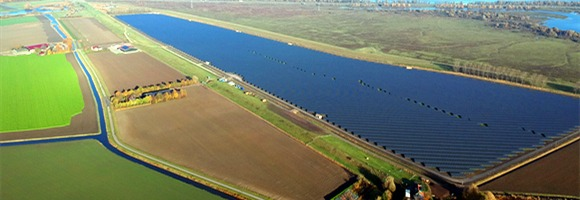
Beyond surface dirt, shading from nearby vegetation poses a severe risk. Even partial shading on a single panel can disproportionately affect the entire string’s performance due to the series connection of cells. Facility managers should implement rigorous vegetation management plans, trimming trees and shrubs regularly to prevent shadow casting during peak sun hours. This proactive approach ensures that the system operates at its designed capacity without unnecessary interruptions.
Technical Inspections and Component Health
Routine technical inspections are vital for identifying potential failures before they escalate into costly repairs. Thermal imaging cameras are invaluable tools for detecting hot spots, which often indicate defective cells, poor connections, or micro-cracks. These anomalies can lead to permanent damage if not addressed promptly. Furthermore, inverters, the heart of the solar array, require regular firmware updates and physical checks to ensure efficient DC-to-AC conversion.
Modern modules, particularly those utilizing advanced N-type cell technology, offer higher efficiency and better temperature coefficients. However, they still require monitoring for potential-induced degradation (PID) and connector integrity. Leading manufacturers like DMEGC Solar emphasize the importance of using high-quality components that withstand harsh weather conditions, thereby reducing the frequency of corrective maintenance. By integrating robust monitoring systems, operators can track real-time performance data and identify underperforming strings immediately.
Optimizing Long-Term Asset Value
A comprehensive maintenance strategy extends the lifespan of photovoltaic assets and protects capital investments. For large-scale installations, the complexity of managing thousands of panels requires sophisticated asset management software. When designing a new solar power plant, incorporating easy-access pathways and modular cleaning infrastructure can significantly lower operational expenditures over the system’s lifetime.
Ultimately, consistent maintenance ensures that solar installations deliver predictable energy outputs. By combining regular cleaning, technical inspections, and advanced monitoring, operators can mitigate risks and enhance the overall profitability of their renewable energy portfolios. Ignoring these practices leads to gradual efficiency declines, whereas a disciplined approach secures stable, long-term energy production.

Tel: +86-579-86588826 (Workday 8:30-17:00)
Tel: +31 (0) 8 58200765
Tel: +86-579-86310330 (Workday 8:30-17:00)
+86-579-86310330 (workday 8:30-17:00 GMT+08:00)
+86-579-86588601 (workday 8:30-17:00 GMT+08:00)


Contact Us
Type of your question
- Business Consulting
- Technical Support
- After-sales Service