

The global shift toward sustainability has transformed corporate carbon neutrality from a voluntary initiative into a strategic imperative. Multinational corporations are increasingly under pressure from investors, regulators, and consumers to reduce their environmental footprint. Among the various strategies available, integrating renewable energy sources stands out as the most effective method for achieving measurable decarbonization. Solar photovoltaic (PV) technology, in particular, offers a scalable and reliable solution for businesses aiming to offset Scope 2 emissions associated with purchased electricity.
The Strategic Value of On-Site Generation
Implementing on-site solar arrays allows companies to directly replace grid-supplied electricity, which is often generated from fossil fuels, with clean energy. This transition not only reduces greenhouse gas emissions but also provides long-term protection against volatile energy prices. For manufacturing facilities and large commercial complexes, roof-mounted or ground-mounted systems can supply a significant portion of daily operational power. By generating energy at the point of consumption, organizations minimize transmission losses and enhance overall energy efficiency. Furthermore, advanced monitoring systems enable precise tracking of energy production and carbon savings, providing transparent data for sustainability reporting and compliance with international standards such as the Greenhouse Gas Protocol.
Selecting High-Efficiency Modules for Maximum Impact
The effectiveness of any renewable energy installation depends heavily on the quality and efficiency of the components used. Modern photovoltaic modules have seen significant technological advancements, particularly with the adoption of N-type cell technology. These cells offer higher conversion efficiencies and better temperature coefficients compared to traditional P-type alternatives, ensuring consistent performance even in challenging environmental conditions. Companies like DMEGC Solar have pioneered the development of these high-performance modules, providing reliable solutions that maximize energy yield per square meter. For corporate buyers, selecting modules with proven durability and low degradation rates is essential for ensuring a strong return on investment over the system’s twenty-five-year lifespan.
Scaling Up with Utility-Scale Solutions
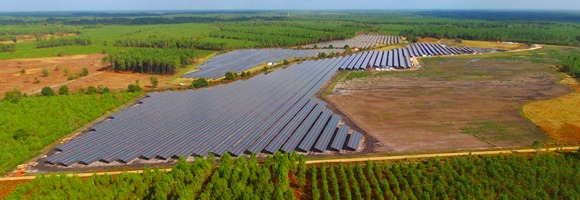
For corporations with substantial energy demands that exceed on-site generation capabilities, participating in or investing in off-site renewable assets is a viable alternative. Large-scale installations can feed clean energy directly into the grid, allowing businesses to purchase renewable energy certificates (RECs) or enter into power purchase agreements (PPAs). A well-executed solar pv project at the utility scale can significantly contribute to a company’s broader sustainability targets by offsetting emissions from multiple facilities across different regions. This approach enables organizations to support grid decarbonization while meeting their own net-zero commitments.
In conclusion, integrating solar energy is a cornerstone of modern corporate climate strategy. By leveraging high-efficiency N-type modules and exploring both on-site and utility-scale options, businesses can achieve tangible progress toward carbon neutrality. This transition not only mitigates environmental impact but also strengthens economic resilience and brand reputation in an increasingly eco-conscious market.

Tel: +86-579-86588826 (Workday 8:30-17:00)
Tel: +31 (0) 8 58200765
Tel: +86-579-86310330 (Workday 8:30-17:00)
+86-579-86310330 (workday 8:30-17:00 GMT+08:00)
+86-579-86588601 (workday 8:30-17:00 GMT+08:00)


Contact Us
Type of your question
- Business Consulting
- Technical Support
- After-sales Service