

The global transition toward renewable energy has accelerated the deployment of photovoltaic systems, yet operational challenges remain a critical concern for developers and asset managers. Ensuring long-term reliability requires a proactive approach to identifying and resolving technical faults before they impact energy yield. Understanding the root causes of common performance issues is essential for maintaining optimal system efficiency and protecting financial returns over the asset’s lifecycle.
Diagnosing Performance Degradation and Hotspots
One of the most frequent issues affecting solar arrays is unexpected power loss due to module degradation or localized heating. Hotspots occur when individual cells within a module become reverse-biased, often caused by partial shading from vegetation, soiling, or structural obstructions. These hotspots can lead to permanent cell damage and even pose fire risks if left unaddressed. Regular thermal imaging inspections are crucial for detecting these anomalies early. Furthermore, potential induced degradation (PID) can significantly reduce output, particularly in humid environments. Modern modules, such as those utilizing advanced N-type technology, offer superior resistance to PID and lower temperature coefficients, thereby mitigating some of these inherent risks. Selecting high-quality components from reputable manufacturers like DMEGC Solar ensures that modules are built to withstand harsh environmental conditions while maintaining consistent performance metrics.
Addressing Inverter Faults and Connection Errors
Inverters serve as the brain of the photovoltaic system, converting direct current into usable alternating current. Consequently, inverter faults are among the most common reasons for system downtime. Error codes often indicate issues with grid voltage fluctuations, insulation failures, or DC input irregularities. It is vital to verify that all DC connectors are properly crimped and sealed, as poor connections can lead to arcing and energy losses. Additionally, mismatched string lengths or varying orientations can cause voltage imbalances that trip inverter safety mechanisms. Routine maintenance should include checking firmware updates and ensuring adequate ventilation around inverter units to prevent overheating. For large-scale installations, the complexity of troubleshooting increases, making robust monitoring systems indispensable for real-time fault detection and rapid response.
Optimizing Long-Term System Reliability
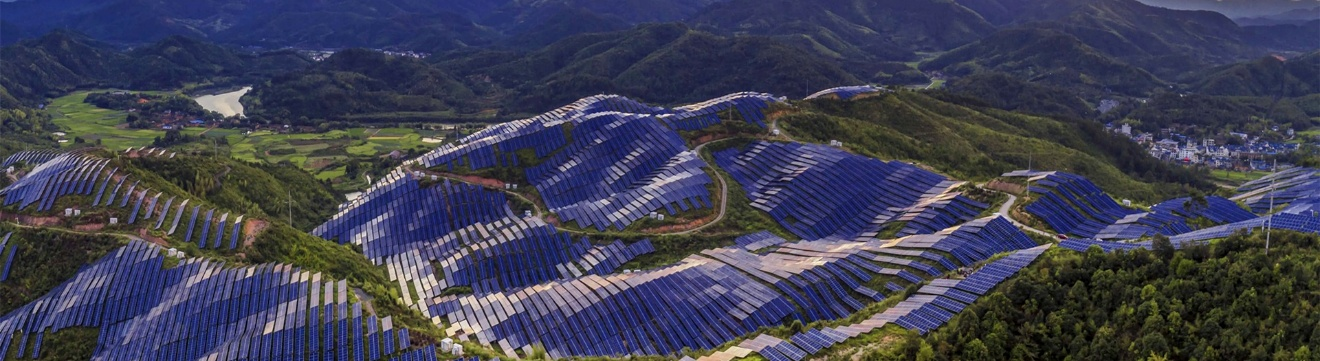
Successful management of a solar pv project depends on rigorous commissioning and ongoing preventive maintenance. Developers must prioritize comprehensive site assessments to identify shading patterns and soil conditions that could affect structural integrity. By integrating high-efficiency modules with reliable balance-of-system components, operators can minimize the frequency of technical interventions. Ultimately, a disciplined approach to troubleshooting not only extends the operational life of the installation but also maximizes the levelized cost of energy, ensuring sustainable profitability for stakeholders in the competitive renewable energy market.

Tel: +86-579-86588826 (Workday 8:30-17:00)
Tel: +31 (0) 8 58200765
Tel: +86-579-86310330 (Workday 8:30-17:00)
+86-579-86310330 (workday 8:30-17:00 GMT+08:00)
+86-579-86588601 (workday 8:30-17:00 GMT+08:00)


Contact Us
Type of your question
- Business Consulting
- Technical Support
- After-sales Service