

The global photovoltaic industry is currently undergoing a significant technological shift, moving away from traditional P-type PERC cells toward more advanced N-type architectures. This transition is not merely a marketing trend but a fundamental evolution driven by the physics of semiconductor materials. For international B2B stakeholders, including procurement managers and energy developers, understanding the scientific principles behind this shift is crucial for making informed long-term investment decisions. The core advantage lies in the inherent material properties that allow for higher efficiency ceilings and superior performance in real-world conditions.
Understanding Carrier Lifetime and Light-Induced Degradation
The primary scientific differentiator between P-type and N-type silicon wafers is the doping element used. P-type wafers are doped with boron, while N-type wafers are doped with phosphorus. This distinction has profound implications for carrier lifetime, which is the average time an electron-hole pair exists before recombining. Boron-oxygen complexes in P-type cells often lead to Light-Induced Degradation (LID), causing a noticeable drop in power output during the initial hours of sunlight exposure. In contrast, phosphorus-doped N-type silicon is immune to LID. This stability ensures that the module maintains its rated power output more consistently over its lifespan. Furthermore, N-type materials generally exhibit longer minority carrier lifetimes, allowing for better charge collection and higher open-circuit voltage, which directly translates to improved conversion efficiency.
Advanced Cell Architecture and Performance Metrics
Modern high-efficiency modules leverage these material advantages through sophisticated cell designs. Technologies such as Tunnel Oxide Passivated Contact (TOPCon) utilize an ultra-thin oxide layer and a doped polysilicon layer to passivate the rear surface of the cell. This structure significantly reduces surface recombination velocity, enabling efficiencies that frequently exceed 25%. As a leading manufacturer listed on the Shenzhen Stock Exchange, DMEGC Solar has integrated these advanced manufacturing processes to deliver modules that meet rigorous international standards. The result is a product line that offers superior temperature coefficients, meaning the panels lose less power in high-heat environments compared to their P-type counterparts. This characteristic is particularly valuable for large-scale utility projects in hotter climates where energy yield optimization is critical.
Long-Term Value and Reliability
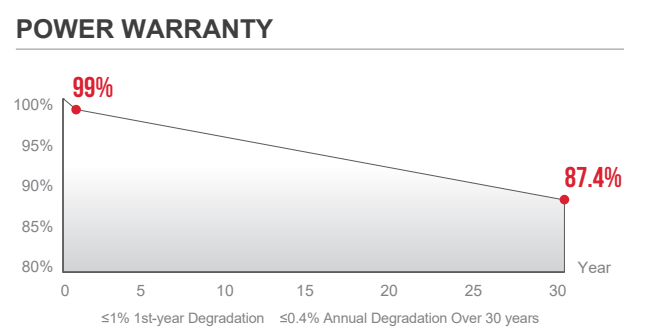
Beyond initial efficiency, the degradation rate of N-type modules is typically lower, often guaranteed at less than 0.4% per year. This slower degradation curve means that over a 25 or 30-year period, the total energy yield is significantly higher. For commercial and industrial buyers, this translates to a lower Levelized Cost of Energy (LCOE). When evaluating suppliers, it is essential to consider manufacturers that prioritize rigorous quality control and continuous R&D. High-performance n type solar panels represent a strategic asset for energy portfolios, offering resilience against environmental stressors and maximizing return on investment. The shift toward N-type technology underscores a broader industry commitment to sustainability and operational excellence, ensuring that solar energy remains a competitive and reliable source of power for decades to come.

Tel: +86-579-86588826 (Workday 8:30-17:00)
Tel: +31 (0) 8 58200765
Tel: +86-579-86310330 (Workday 8:30-17:00)
+86-579-86310330 (workday 8:30-17:00 GMT+08:00)
+86-579-86588601 (workday 8:30-17:00 GMT+08:00)


Contact Us
Type of your question
- Business Consulting
- Technical Support
- After-sales Service