

The global shift toward decentralized energy generation has placed residential solar installations at the forefront of sustainable development strategies. For homeowners and property developers alike, the transition to self-generated power is no longer merely an environmental statement but a critical financial and operational decision. As electricity grids face increasing strain from peak demand and extreme weather events, the reliability of on-site generation becomes paramount. Understanding the technical and economic drivers behind this trend is essential for stakeholders aiming to optimize long-term energy independence.
Economic Benefits and Long-Term Value
Beyond energy security, the financial implications of solar adoption are significant. The levelized cost of energy (LCOE) for solar has dropped dramatically over the past decade, making it competitive with, and often cheaper than, conventional fossil fuel sources. Homeowners benefit from reduced monthly utility bills and potential incentives such as tax credits or net metering programs, where excess energy is sold back to the grid. Additionally, properties equipped with high-efficiency solar systems often see an increase in market value. Investors and buyers increasingly view sustainable features as premium assets, recognizing the long-term savings they offer. Companies like DMEGC Solar have been instrumental in driving down costs through scalable manufacturing and innovations in module durability, making these economic benefits accessible to a broader market segment.
Maximizing Efficiency with N-Type Technology
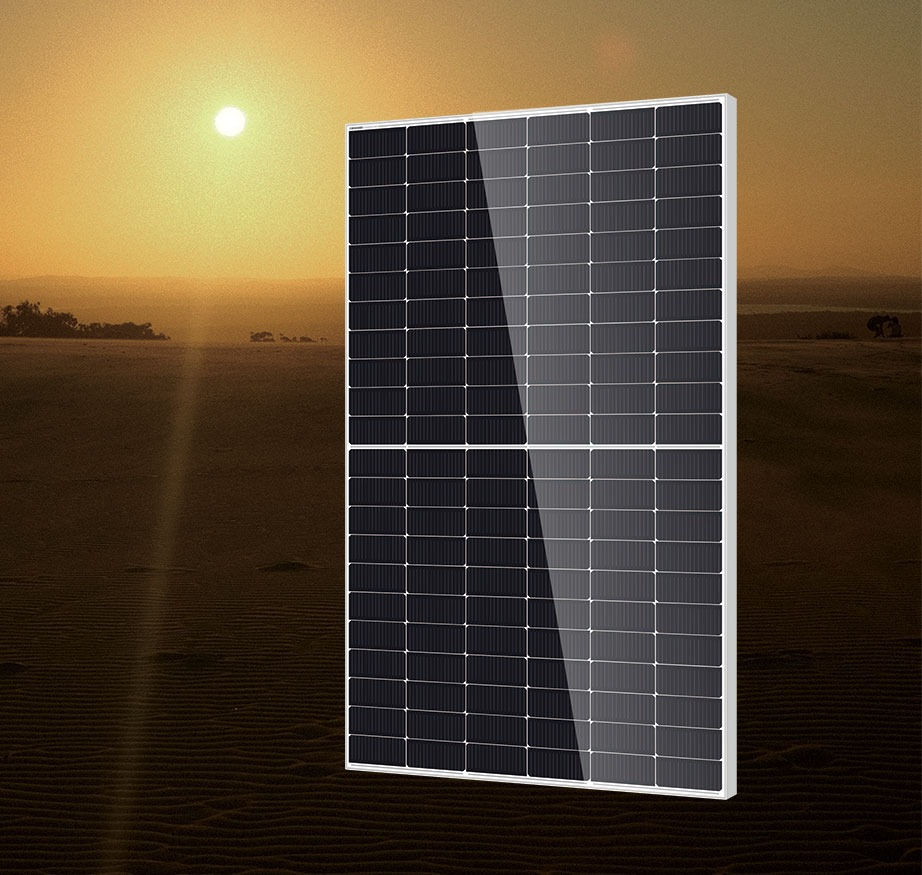
The choice of photovoltaic technology plays a crucial role in achieving residential energy goals. Recent advancements in cell structure have led to the widespread adoption of N-type silicon wafers, which offer superior electron mobility and lower degradation rates compared to traditional P-type cells. These characteristics result in higher conversion efficiencies and better performance in high-temperature environments. For residential applications where roof area may be limited, selecting high-performance modules is vital. High-quality Rooftop Solar Panels leverage these N-type advantages to deliver maximum power output, ensuring that homeowners can meet their energy consumption needs without requiring excessive surface area. This efficiency gain directly translates to faster return on investment and greater overall system reliability.
In conclusion, the integration of solar energy into residential structures is a multifaceted strategy that enhances energy security, provides economic stability, and supports environmental sustainability. By leveraging advanced technologies and understanding the long-term value proposition, homeowners can make informed decisions that align with both immediate needs and future energy goals.

Tel: +86-579-86588826 (Workday 8:30-17:00)
Tel: +31 (0) 8 58200765
Tel: +86-579-86310330 (Workday 8:30-17:00)
+86-579-86310330 (workday 8:30-17:00 GMT+08:00)
+86-579-86588601 (workday 8:30-17:00 GMT+08:00)


Contact Us
Type of your question
- Business Consulting
- Technical Support
- After-sales Service