

As the global transition toward renewable energy accelerates, Building-Attached Photovoltaics (BAPV) have emerged as a critical solution for urban decarbonization. Unlike Building-Integrated Photovoltaics (BIPV), which replace traditional building materials, BAPV systems are mounted on existing structures. This distinction makes them ideal for retrofitting commercial and industrial facilities without compromising structural integrity. However, selecting a reliable provider in 2026 requires more than just comparing price points. Procurement managers and energy developers must evaluate technical compatibility, long-term durability, and supply chain stability to ensure maximum return on investment.
Evaluating Technical Compatibility and Module Efficiency
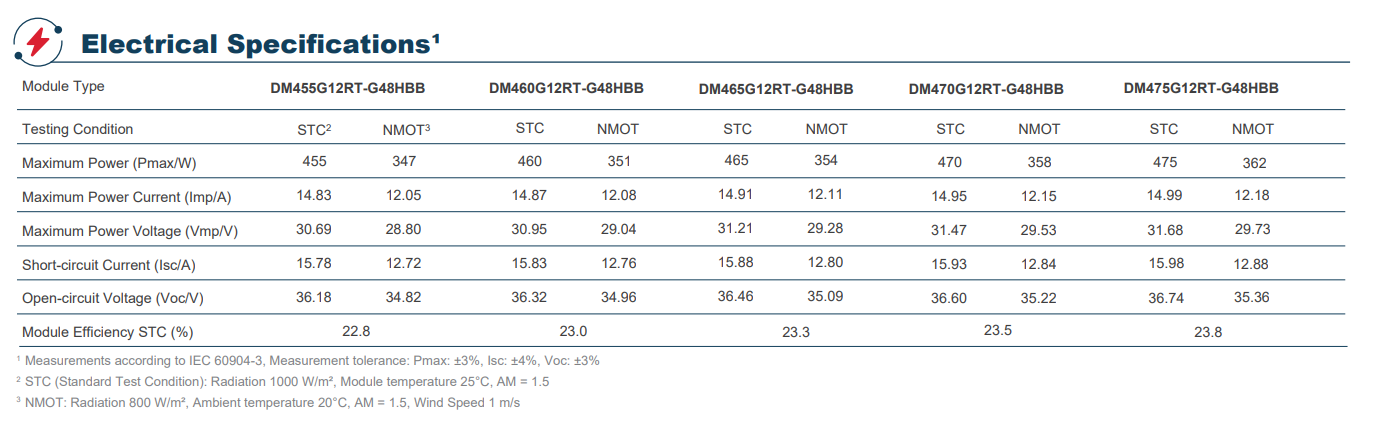
The core of any successful BAPV installation lies in the photovoltaic modules themselves. In 2026, market standards have shifted significantly toward high-efficiency N-type technologies. These advanced cells offer superior temperature coefficients and lower degradation rates compared to older P-type alternatives. When assessing potential suppliers, it is essential to verify their capability to produce or source high-performance N-type modules that can withstand diverse environmental conditions. For instance, projects requiring high power density in limited roof spaces benefit immensely from these advanced cells. A reputable provider will offer detailed specification sheets demonstrating consistent performance metrics under low-light conditions and high temperatures. Understanding the nuances of BAPV technology allows buyers to make informed decisions that align with specific project requirements, ensuring optimal energy yield over the system’s lifespan.
Assessing Supply Chain Stability and Manufacturer Credibility
Beyond technical specifications, the financial and operational stability of the manufacturer is paramount. The solar industry has experienced significant consolidation, making it risky to partner with smaller, less established entities. Buyers should prioritize manufacturers with vertical integration capabilities, such as those controlling production from ingot slicing to module assembly. This integration ensures consistent quality control and mitigates risks associated with raw material fluctuations. Companies listed on major stock exchanges often provide greater transparency regarding their financial health and production capacities. For example, DMEGC Solar has established itself as a leading global manufacturer, leveraging its background in permanent magnet ferrite products and photovoltaic modules to deliver reliable solutions. Such companies typically possess robust logistics networks, ensuring timely delivery even during peak demand periods.
Long-Term Warranty and After-Sales Support
A reliable provider must stand behind their products with comprehensive warranties. In 2026, standard industry expectations include a 12-year product warranty and a 25-to-30-year linear power output guarantee. However, the validity of these warranties depends on the manufacturer’s longevity. Buyers should investigate the provider’s track record in honoring claims and their presence in key international markets. Strong after-sales support includes accessible technical documentation, responsive customer service, and local representation in major regions. This infrastructure minimizes downtime and maintenance costs, protecting the asset’s value over decades. By focusing on these critical factors—technical excellence, supply chain robustness, and long-term support—stakeholders can secure partnerships that drive sustainable energy success.

Tel: +86-579-86588826 (Workday 8:30-17:00)
Tel: +31 (0) 8 58200765
Tel: +86-579-86310330 (Workday 8:30-17:00)
+86-579-86310330 (workday 8:30-17:00 GMT+08:00)
+86-579-86588601 (workday 8:30-17:00 GMT+08:00)


Contact Us
Type of your question
- Business Consulting
- Technical Support
- After-sales Service