

The global energy landscape is undergoing a profound transformation, driven by the urgent need for decarbonization and energy security. At the heart of this shift is the integration of renewable energy sources into existing power infrastructure. Specifically, the synergy between decentralized generation and intelligent grid management systems is redefining how electricity is produced, distributed, and consumed. This evolution presents significant opportunities for commercial and industrial stakeholders seeking reliable, cost-effective energy solutions.
Enhancing Grid Stability with Intelligent Integration
Traditional power grids were designed for one-way energy flow from large centralized plants to consumers. However, the rise of rooftop and community solar installations has created a bi-directional flow of electricity. This complexity requires advanced smart grid technologies that can monitor, analyze, and respond to fluctuations in real-time. Smart inverters, energy storage systems, and AI-driven demand response mechanisms are essential for maintaining voltage stability and frequency regulation.
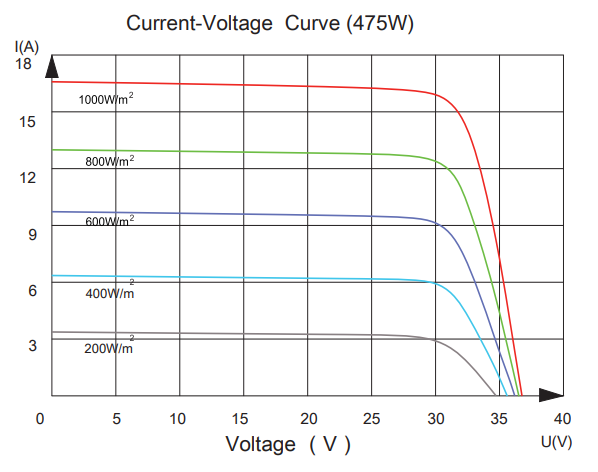
For businesses, participating in this ecosystem means more than just installing panels; it involves adopting a holistic approach to energy management. By leveraging data analytics, facility managers can optimize consumption patterns, reduce peak demand charges, and even sell excess power back to the grid. This level of interoperability ensures that local generation assets contribute positively to overall grid resilience rather than causing instability.
The Role of High-Efficiency N-Type Modules
The efficiency of the photovoltaic module itself is a critical factor in the success of distributed energy resources. Space constraints on commercial rooftops often necessitate modules with higher power density and better temperature coefficients. Recent advancements in cell technology have led to the widespread adoption of N-type silicon wafers, which offer superior electron mobility and reduced light-induced degradation compared to traditional P-type cells.
These high-performance modules are particularly vital for Distributed Solar Photovoltaics, where maximizing energy yield per square meter is paramount. N-type technology provides enhanced low-light performance and a slower degradation rate over the system’s lifespan, ensuring a higher return on investment for project developers. As manufacturing scales up, the cost premium for these advanced modules continues to decrease, making them an increasingly accessible choice for large-scale commercial projects.
Strategic Partnerships for Sustainable Growth
Navigating the technical complexities of modern solar installations requires reliable supply chain partners. Manufacturers must provide not only high-quality hardware but also comprehensive technical support and warranty assurances. Companies like DMEGC Solar have established themselves as key players in this sector by offering robust product lines that meet international certification standards. Their focus on vertical integration allows for strict quality control from raw materials to finished modules, ensuring consistent performance in diverse climatic conditions.
As regulatory frameworks evolve to support greater renewable penetration, the collaboration between technology providers, installers, and grid operators will become increasingly important. Investing in high-efficiency technology and smart integration strategies today positions businesses to thrive in the low-carbon economy of tomorrow. The future of energy is decentralized, digital, and clean, requiring proactive adaptation from all industry participants.

Tel: +86-579-86588826 (Workday 8:30-17:00)
Tel: +31 (0) 8 58200765
Tel: +86-579-86310330 (Workday 8:30-17:00)
+86-579-86310330 (workday 8:30-17:00 GMT+08:00)
+86-579-86588601 (workday 8:30-17:00 GMT+08:00)


Contact Us
Type of your question
- Business Consulting
- Technical Support
- After-sales Service