

The transition to renewable energy has accelerated globally, driving significant demand for photovoltaic solutions in both residential and commercial sectors. For procurement managers, installers, and energy developers, selecting the appropriate solar modules is a critical decision that impacts long-term return on investment and system reliability. While cost is always a factor, technical specifications, durability, and efficiency ratings play equally vital roles in determining the success of a solar project. Understanding these key variables ensures that the installed system meets performance expectations over its entire lifecycle.
Evaluating Efficiency and Technology Types
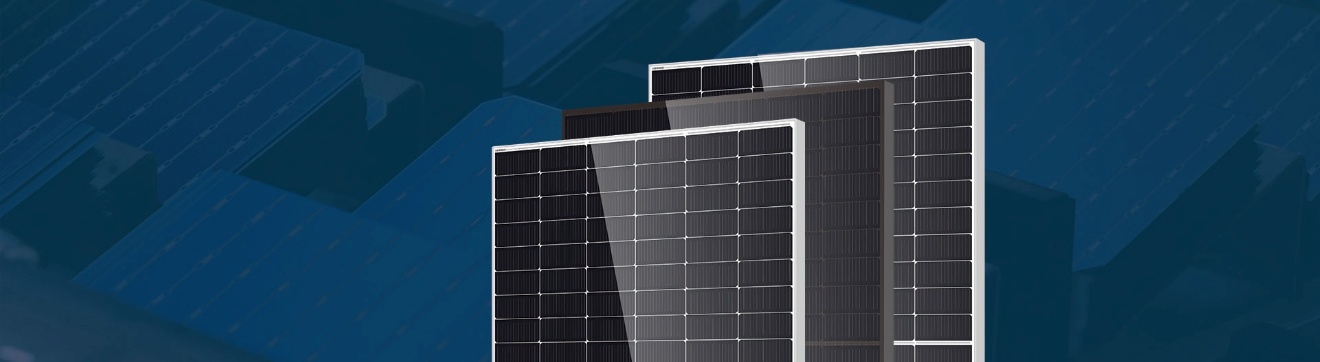
Module efficiency determines how much sunlight is converted into usable electricity per square meter. This metric is particularly crucial for projects with limited roof space, where maximizing energy yield is essential. Recent advancements in cell technology have shifted the industry standard from traditional P-type PERC cells to more advanced N-type architectures. N-type cells offer superior efficiency, lower degradation rates, and better performance in low-light conditions compared to their predecessors. They also exhibit a lower temperature coefficient, meaning they lose less power when operating in high-heat environments. When evaluating options, buyers should prioritize modules utilizing N-type technology to ensure higher energy production over time. High-quality Rooftop Solar Panels often leverage these advanced cell structures to deliver consistent output even under suboptimal weather conditions, making them a preferred choice for modern installations.
Assessing Durability and Warranty Terms
Solar panels are exposed to harsh environmental elements, including hail, wind, snow, and extreme temperature fluctuations. Therefore, mechanical robustness is non-negotiable. Buyers must examine the product’s certification standards, such as IEC 61215 and IEC 61730, which verify safety and performance reliability. Additionally, the warranty structure provides insight into the manufacturer’s confidence in their product. A comprehensive warranty typically includes two components: a product warranty covering defects in materials and workmanship, and a performance warranty guaranteeing a specific power output after 25 or 30 years. Leading manufacturers often guarantee that modules will retain at least 87-90% of their initial power output after 25 years. Partnering with established entities like DMEGC Solar ensures access to products backed by rigorous quality control and reliable warranty support, reducing long-term operational risks.
Conclusion
Selecting the right solar modules requires a balanced assessment of efficiency, technology, and durability. By focusing on advanced N-type cells and verifying robust warranty terms, stakeholders can secure systems that deliver sustained value. Prioritizing quality over initial cost savings leads to greater energy independence and financial stability in the long run.

Tel: +86-579-86588826 (Workday 8:30-17:00)
Tel: +31 (0) 8 58200765
Tel: +86-579-86310330 (Workday 8:30-17:00)
+86-579-86310330 (workday 8:30-17:00 GMT+08:00)
+86-579-86588601 (workday 8:30-17:00 GMT+08:00)


Contact Us
Type of your question
- Business Consulting
- Technical Support
- After-sales Service