

The global transition toward renewable energy has accelerated the installation of photovoltaic systems across commercial and residential structures. While solar energy offers significant economic and environmental benefits, the installation and maintenance of these systems involve inherent risks. High-voltage electricity, working at heights, and exposure to harsh weather conditions require strict adherence to safety protocols. For procurement managers, installers, and facility operators, understanding these safety measures is not merely a regulatory obligation but a critical component of operational efficiency and personnel protection.
Essential Personal Protective Equipment and Preparation
Safety begins before any physical work commences. Proper planning and the use of appropriate Personal Protective Equipment (PPE) are the first lines of defense against accidents. Installers must wear insulated gloves, safety glasses, and non-conductive footwear to prevent electrical shocks. When working on elevated surfaces, fall protection gear, including harnesses and anchor points, is mandatory. Furthermore, tools used during installation or maintenance must be rated for electrical work and inspected regularly for damage.
It is also crucial to assess weather conditions prior to starting any job. Wet or windy conditions significantly increase the risk of slips, falls, and electrical hazards. Operations should be suspended during adverse weather to ensure the safety of all personnel involved. Comprehensive training programs that cover both electrical safety and height safety standards are essential for any team handling solar infrastructure.
Electrical Safety and System Isolation
One of the most critical aspects of solar safety is managing electrical hazards. Unlike conventional power sources, solar arrays generate electricity whenever exposed to light, making them live circuits even when disconnected from the grid. Therefore, proper isolation procedures are vital. Before performing any maintenance or repair, the system must be fully de-energized. This involves shutting down the inverter and isolating the DC disconnect switches. Lockout/Tagout (LOTO) procedures should be strictly implemented to prevent accidental re-energization while work is in progress.
Regular inspection of wiring and connections helps identify potential faults such as loose terminals or damaged insulation, which can lead to arc flashes or fires. Modern high-efficiency modules, such as those utilizing N-type technology, often operate at higher voltages and currents, necessitating even greater vigilance during handling and connection. Professionals seeking reliable components for their projects often turn to established manufacturers like DMEGC Solar to ensure they are using equipment that meets rigorous international safety and quality standards.
Maintaining Long-Term Operational Safety
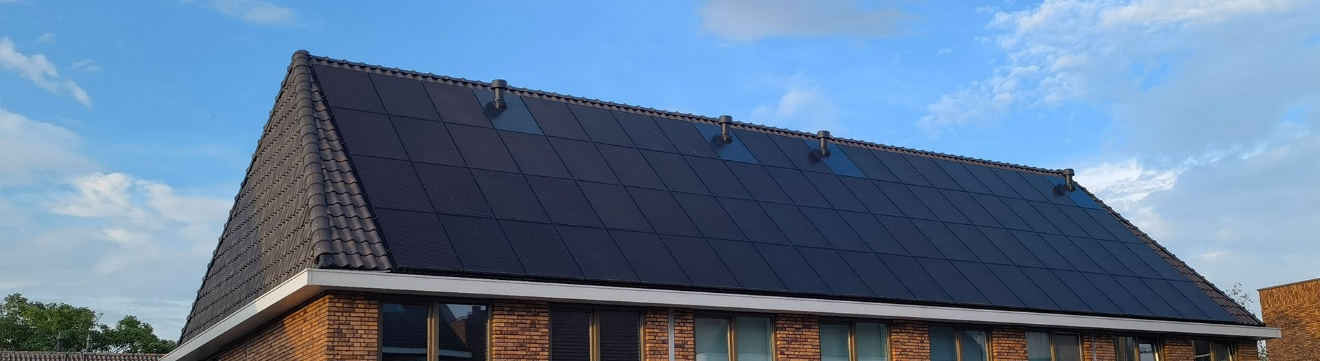
Ongoing maintenance is key to sustaining both the performance and safety of a solar installation. Dust, debris, and bird droppings can not only reduce efficiency but also create hotspots that may damage modules over time. Cleaning should be done with non-abrasive materials and deionized water to avoid scratching the glass surface or causing electrical shorts. When selecting equipment for new installations, choosing durable and safe options is paramount. High-quality Rooftop Solar Panels are designed to withstand environmental stressors, reducing the frequency of risky maintenance interventions. By prioritizing safety in every phase, from selection to operation, stakeholders can maximize the lifespan and reliability of their solar energy investments.

Tel: +86-579-86588826 (Workday 8:30-17:00)
Tel: +31 (0) 8 58200765
Tel: +86-579-86310330 (Workday 8:30-17:00)
+86-579-86310330 (workday 8:30-17:00 GMT+08:00)
+86-579-86588601 (workday 8:30-17:00 GMT+08:00)


Contact Us
Type of your question
- Business Consulting
- Technical Support
- After-sales Service