

Utility-scale solar projects represent a significant capital investment, requiring precise financial modeling to ensure long-term profitability. For developers and procurement managers, understanding the complete cost structure is essential. The total cost of ownership extends far beyond the initial purchase price of photovoltaic modules, encompassing both Capital Expenditures (CAPEX) and Operational Expenditures (OPEX). A thorough analysis of these components allows stakeholders to optimize project economics and mitigate financial risks throughout the asset’s lifecycle.
Analyzing Initial Capital Expenditures
CAPEX constitutes the upfront costs required to design, procure, and construct a solar farm. The largest single component is typically the module procurement cost. Recent market trends show a shift toward high-efficiency N-type technologies, which offer superior bifaciality and lower degradation rates. While the unit price may be slightly higher than traditional P-type options, the increased energy yield often results in a lower Levelized Cost of Energy (LCOE).
Beyond the modules, balance of system (BOS) costs are substantial. This includes inverters, mounting structures, cabling, and grid connection infrastructure. Land acquisition and site preparation also contribute significantly to the initial budget. Choosing robust mounting solutions is critical, as they must withstand local environmental conditions while minimizing shading losses. Companies like DMEGC Solar provide integrated solutions that help streamline this procurement phase, ensuring compatibility between modules and mounting systems to reduce installation time and labor costs.
Managing Long-Term Operational Expenditures
Once commissioned, the focus shifts to OPEX, which includes maintenance, insurance, land lease payments, and administrative overhead. Preventive maintenance is key to maximizing uptime and energy production. Regular cleaning, vegetation management, and thermal imaging inspections help identify potential issues before they lead to significant power losses.
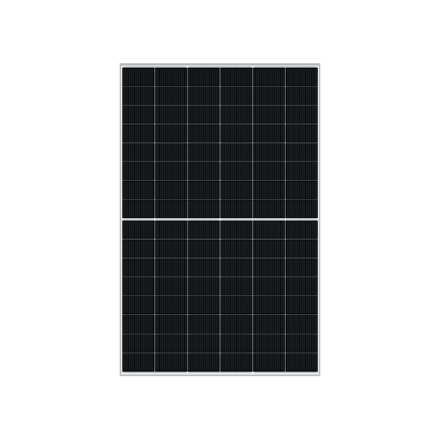
The reliability of the chosen technology directly impacts OPEX. High-quality modules with strong warranty terms reduce the frequency of replacements and repairs. For instance, investing in durable Ground-mounted Solar Panels designed for utility-scale applications can significantly lower long-term maintenance requirements. These systems are engineered to resist soiling and mechanical stress, thereby preserving performance ratios over decades. Additionally, advanced monitoring systems allow for remote diagnostics, reducing the need for frequent on-site visits and lowering labor costs.
Optimizing Total Cost of Ownership
Successful project development requires a holistic view of both CAPEX and OPEX. Cutting corners on initial equipment quality may reduce upfront spending but often leads to higher operational costs and reduced energy yields later. Conversely, over-engineering can inflate CAPEX without proportional benefits. The optimal strategy involves selecting high-efficiency, reliable components that balance initial investment with long-term performance. By carefully analyzing every cost driver, from module efficiency to maintenance protocols, developers can create resilient financial models that deliver consistent returns in the competitive renewable energy market.

Tel: +86-579-86588826 (Workday 8:30-17:00)
Tel: +31 (0) 8 58200765
Tel: +86-579-86310330 (Workday 8:30-17:00)
+86-579-86310330 (workday 8:30-17:00 GMT+08:00)
+86-579-86588601 (workday 8:30-17:00 GMT+08:00)


Contact Us
Type of your question
- Business Consulting
- Technical Support
- After-sales Service