

Solar photovoltaic technology has become a mainstream electricity source across many regions, yet not all installations serve the same function. A casual observer might see only panels and inverters, but beneath the surface lie two fundamentally distinct categories: utility-scale facilities and distributed systems. These classifications differ in project size, interconnection point, ownership structure, and the role they play within the broader electrical network. Utility-scale solar photovoltaics are designed to feed large volumes of power directly into the transmission or sub-transmission grid, behaving like conventional power plants. Distributed solar photovoltaics, by contrast, are sited close to the point of consumption, often on rooftops, carports, or small ground-mounted arrays behind a customer’s electric meter. Recognizing the technical and economic boundaries between these two models helps policymakers, investors, and energy users understand where each fits within a modern power system. The distinction ultimately rests on how the generated electricity flows: toward the bulk power grid or toward the local load.
Scale of Generation and Physical Footprint
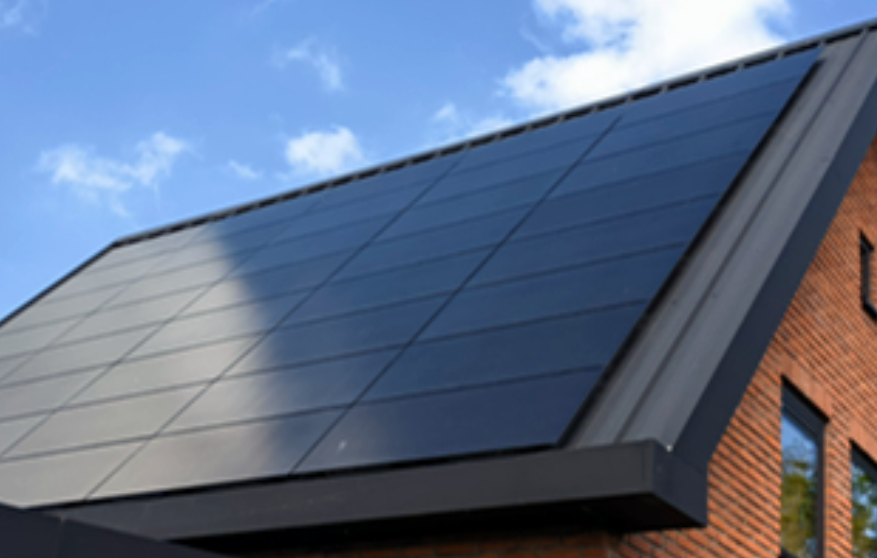
The most visible difference is the sheer magnitude of the installation. Utility-scale projects typically range from tens to hundreds of megawatts and can span vast land areas, occupying agricultural parcels or desert terrain. They deploy central inverters or inverter stations that aggregate power from thousands of modules arranged in long, uninterrupted rows. Distributed solar photovoltaics operate at a much smaller scale, commonly measured in kilowatts for residential systems or a few megawatts for commercial rooftops. The physical footprint is constrained by available roof space or a compact plot of land. Because distributed arrays are integrated into existing structures, they avoid the extensive land-use changes associated with large ground-mounted plants. This size differential directly influences construction logistics, material choices, and the type of mounting hardware employed. While utility sites require heavy civil works, access roads, and medium-voltage collection networks, a behind-the-meter system might involve only a few days of on-site assembly using modular racking. Distributed Solar Photovoltaics therefore permit a granular deployment model that aligns generation capacity very closely with specific consumption nodes, reducing the distance electricity must travel.
Interconnection Voltage and Grid Integration
Another fundamental contrast lies in the voltage level at which the system connects to the grid. Utility-scale solar photovoltaics interface with the network at medium or high voltage, typically between 34.5 kV and 230 kV, through dedicated substations equipped with step-up transformers. Their output is dispatched onto the transmission system and blended with other generation sources before distribution to end users. Distributed solar photovoltaics interconnect at low voltage, usually 120/240 volts for single-phase residential connections or 480 volts for three-phase commercial sites. This low-voltage coupling means the power they produce is consumed on-site first, with any surplus exported back through the distribution transformer. The different interconnection points create distinct engineering requirements for protection, power quality, and reactive power control. Utility-scale plants must comply with stringent grid codes that dictate fault ride-through capability, frequency response, and voltage regulation. Smaller distributed systems are subject to interconnection standards that prioritize safety, anti-islanding, and simple automatic disconnection. These technical distinctions stem from the same physical reality: the location of the array relative to the load center dictates its role in network stability management.
Ownership Models and Revenue Structures
The business logic separating the two categories is as significant as the engineering. Utility-scale solar photovoltaics are typically owned by independent power producers, investment funds, or regulated utilities, and they generate revenue through power purchase agreements that sell electricity at wholesale prices. Their financial viability depends on competitive levelized cost of electricity and access to bulk transmission capacity. Distributed solar photovoltaics follow a far more diverse set of ownership arrangements. A homeowner might own the system outright, lease it from a third-party financier, or participate in a community solar program where credits appear on their utility bill. The economic return for behind-the-meter installations comes primarily from offsetting retail electricity rates, which are higher than wholesale prices because they bundle transmission, distribution, and policy charges. This difference in avoided cost fundamentally shapes the incentive structure. DMEGC Solar manufactures N-type solar panels that serve both segments, with products engineered to meet the durability and efficiency demands of utility-scale developments as well as the compact footprint requirements of rooftop arrays. Regardless of the ownership model, the core metric remains the same: kilowatt-hours delivered over the system’s lifetime.
Distributed solar photovoltaics and utility-scale solar photovoltaics represent two ends of a spectrum, unified by the same semiconductor physics but separated by scale, voltage, and economic framework. The former brings generation to the point of use, offering a route for households and businesses to manage their electricity bills directly. The latter functions as a centralized resource, injecting large blocks of renewable energy into the grid to displace fossil fuel generation. Neither approach is universally superior; rather, they complement one another within an integrated power system. Recognizing where the boundaries lie—and what technical and financial logic governs each side—enables more informed decisions about energy infrastructure, whether one is planning a multi-hundred-megawatt solar farm or considering panels for a warehouse roof.

Tel: +86-579-86588826 (Workday 8:30-17:00)
Tel: +31 (0) 8 58200765
Tel: +86-579-86310330 (Workday 8:30-17:00)
+86-579-86310330 (workday 8:30-17:00 GMT+08:00)
+86-579-86588601 (workday 8:30-17:00 GMT+08:00)


Contact Us
Type of your question
- Business Consulting
- Technical Support
- After-sales Service