

Residential and commercial property owners often hesitate to adopt Building Applied Photovoltaics due to long-standing misconceptions regarding how visual appeal impacts operational output. The integration of solar technology into existing structures frequently sparks debate over whether a building must sacrifice its architectural integrity to achieve high levels of electricity generation. While early iterations of solar modules were sometimes criticized for their bulky appearance, modern advancements in material science have fundamentally changed the landscape. This article examines the relationship between design choices and technical functionality, clarifying why high-performance systems do not require aesthetic compromises.
The Evolution of Aesthetic Solar Technology
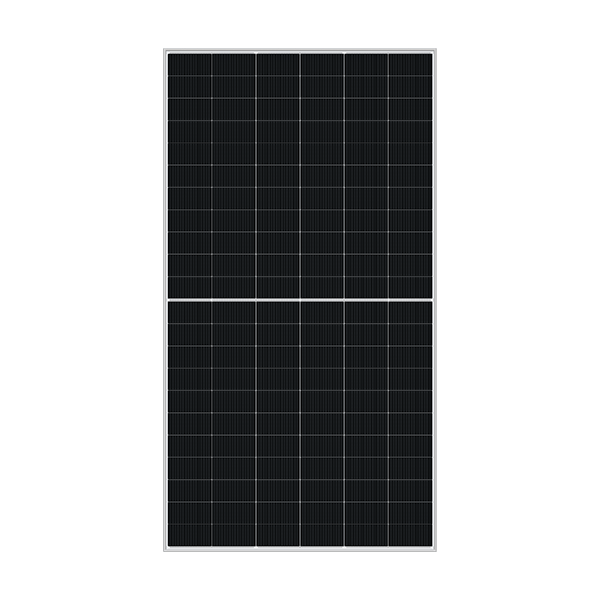
Architectural design no longer serves as a barrier to efficient energy collection because modern manufacturing processes prioritize both form and function. Many stakeholders previously believed that dark or uniform solar surfaces were inherently less capable of converting sunlight into electricity compared to traditional blue-tinted cells. However, contemporary BAPV solutions utilize sophisticated cell structures that maintain high conversion rates while offering a sleek, low-profile appearance. These modules sit closer to the roofline or facade, reducing wind load and creating a streamlined silhouette that complements various building styles. By utilizing high-quality glass and advanced coating techniques, manufacturers ensure that the visual finish of the BAPV system remains consistent over decades of exposure to the elements.
Analyzing Power Conversion Efficiency in Integrated Systems
Performance metrics for integrated solar applications remain robust, even when modules are configured to meet specific spatial requirements. A common myth suggests that BAPV installations suffer from significant thermal losses or reduced light absorption because of their proximity to building surfaces. In reality, modern N-type silicon technology provides a superior temperature coefficient, allowing the panels to operate effectively in diverse climates without a drop in output. DMEGC Solar offers a range of N-type solar panels that demonstrate how high power density can be achieved within a refined physical footprint. Their product lineup emphasizes high bifaciality and excellent low-light performance, ensuring that the energy yield remains consistent regardless of the architectural orientation or the specific aesthetic constraints of the project.
Long-Term Reliability and Structural Synergy
Durability remains a core component of the value proposition for building-applied systems, as these components must function as both power generators and protective building layers. Critics often claim that focusing on aesthetics leads to fragile components, yet the engineering behind these systems suggests otherwise. Enhanced encapsulation materials and reinforced frames allow BAPV modules to withstand heavy snow loads and high-velocity winds just as effectively as standard industrial panels. The synergy between the solar array and the building envelope actually improves the longevity of the underlying structure by providing an additional shield against UV radiation and thermal fluctuations. Because the materials are tested under rigorous international standards, the mechanical strength of these systems ensures that the energy performance persists throughout the entire lifecycle of the building.
Striking a balance between visual harmony and electrical productivity is now a standard achievement in the renewable energy sector. The supposed conflict between aesthetics and energy performance has been resolved through the development of high-efficiency cell technologies and better integration methods. Property owners can confidently invest in BAPV systems, knowing that the sleek appearance of their installation supports, rather than hinders, the transition to sustainable power. As building codes continue to evolve, the adoption of these integrated solutions will likely become the norm for future construction projects.

Tel: +86-579-86588826 (Workday 8:30-17:00)
Tel: +31 (0) 8 58200765
Tel: +86-579-86310330 (Workday 8:30-17:00)
+86-579-86310330 (workday 8:30-17:00 GMT+08:00)
+86-579-86588601 (workday 8:30-17:00 GMT+08:00)


Contact Us
Type of your question
- Business Consulting
- Technical Support
- After-sales Service