

Industrial sectors across the globe are shifting toward sustainable energy frameworks to stabilize operational costs and reduce carbon footprints. Distributed solar photovoltaics represent a decentralized energy approach where electricity is generated near the point of consumption rather than at a central power plant. This transition allows factories and warehouses to utilize vast roof spaces for power generation. By integrating distributed solar photovoltaics into their infrastructure, companies can manage energy demand more effectively while contributing to a cleaner electrical grid. This article examines how various industrial segments apply these technologies to improve energy resilience and efficiency.
Manufacturing Plants and Energy Intensive Production
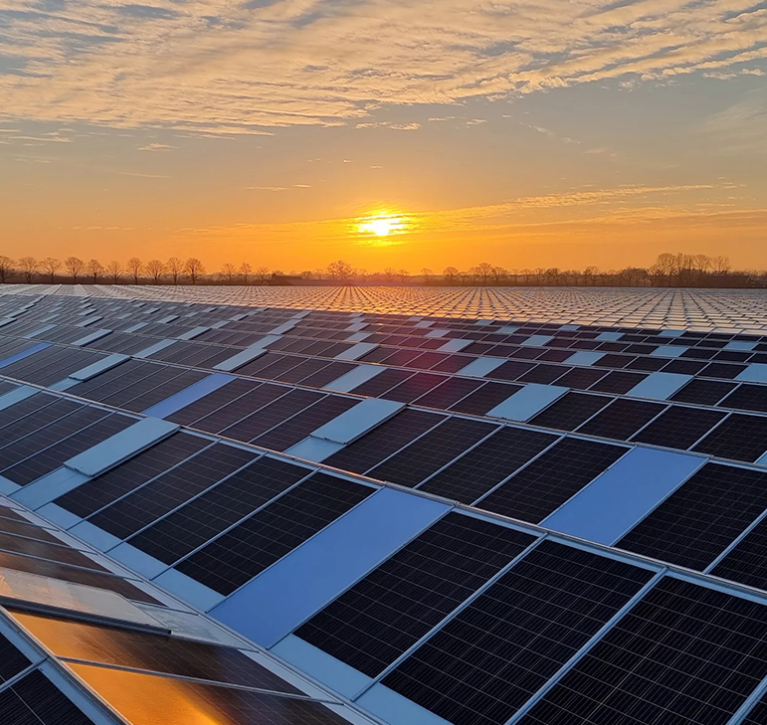
Large-scale manufacturing facilities often possess expansive, flat rooftops that serve as ideal platforms for distributed solar photovoltaics. These plants require a continuous supply of electricity to run heavy machinery, assembly lines, and climate control systems. By installing solar arrays, manufacturers can offset a significant portion of their peak-time energy consumption, which usually coincides with the highest utility rates. The implementation of distributed solar photovoltaics helps in smoothing out energy expenditure over long production cycles. Furthermore, onsite generation reduces the stress on the local utility infrastructure, preventing potential outages during periods of high regional demand. Businesses in this sector find that the proximity of the power source to the heavy loads minimizes transmission losses, ensuring that more of the captured sunlight is converted into usable industrial work.
Logistics Centers and Cold Storage Facilities
Logistics hubs and cold storage warehouses are particularly well-suited for the adoption of renewable energy systems. These buildings often feature massive footprints with unobstructed access to sunlight, making them perfect candidates for distributed solar photovoltaics. In cold storage specifically, the demand for electricity remains high throughout the day to maintain specific temperature ranges for perishable goods. Because solar generation peaks during the warmest parts of the day when refrigeration units work the hardest, the alignment of supply and demand is nearly perfect. These facilities utilize distributed solar photovoltaics to create a buffer against volatile energy prices, ensuring that the cost of preserving inventory remains predictable. The transition to such systems also reflects a commitment to sustainable supply chain management, which is increasingly prioritized by global partners and regulatory bodies.
Integration with Modern Energy Infrastructure
The modern industrial landscape relies on sophisticated components to ensure long-term reliability and high energy yields. This is where DMEGC Solar provides essential technology, offering high-efficiency modules that convert sunlight into electricity with minimal degradation over time. Their product introduction into a facility’s energy mix allows for consistent performance even in diverse weather conditions. Beyond the hardware, industrial sites are now combining distributed solar photovoltaics with energy storage systems and smart microgrids. This combination allows factories to store excess energy generated during the day for use at night or during cloudy intervals. By treating the factory as a self-contained power ecosystem, industry players can achieve a level of energy independence that was previously impossible, shielding themselves from grid instability and fluctuating market prices.
The adoption of renewable energy within the industrial sector is no longer just an environmental choice but a strategic economic necessity. Distributed solar photovoltaics provide a versatile solution for manufacturing, logistics, and infrastructure management by utilizing existing space to generate clean power. As companies continue to integrate these systems, the reliance on traditional fossil fuels diminishes, replaced by a decentralized and resilient energy model. The long-term benefits of distributed solar photovoltaics include enhanced cost control, improved operational reliability, and a significant contribution to global decarbonization efforts. Through careful planning and the use of high-quality components, industrial enterprises can secure a stable energy future while optimizing their current production capabilities.

Tel: +86-579-86588826 (Workday 8:30-17:00)
Tel: +31 (0) 8 58200765
Tel: +86-579-86310330 (Workday 8:30-17:00)
+86-579-86310330 (workday 8:30-17:00 GMT+08:00)
+86-579-86588601 (workday 8:30-17:00 GMT+08:00)


Contact Us
Type of your question
- Business Consulting
- Technical Support
- After-sales Service