

Technological advancements in the photovoltaic industry have shifted the focus toward more efficient cell architectures to maximize energy harvest from limited surface areas. Among these innovations, the N-type solar panels represent a significant evolution in semiconductor design compared to the traditional P-type modules that dominated the market for decades. The distinction between these two categories lies in the chemical doping of the crystalline silicon wafers used during the manufacturing process. While traditional cells use boron to create a positive charge, N-type solar panels utilize phosphorus to create a negative charge. This fundamental change in the atomic structure of the silicon wafer eliminates many of the inherent degradation issues found in older technologies, resulting in a more stable and high-performing energy solution for residential and industrial applications alike.
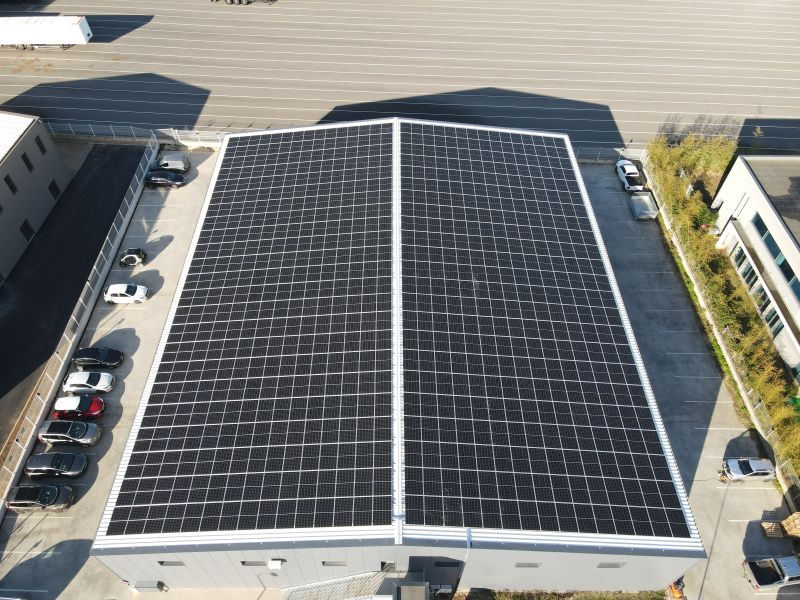
The Scientific Foundation of N-type Phosphorus Doping
Silicon wafers require impurities to create the electrical imbalance necessary for current flow, and the choice of these impurities determines the fundamental efficiency of the module. In an N-type solar panel, the silicon is doped with phosphorus, which has five valence electrons—one more than the four electrons found in silicon. This extra electron moves freely, creating a material with a negative charge carrier. Because phosphorus does not react with oxygen in the same way that boron does, these modules are immune to Light-Induced Degradation (LID). This chemical stability means that the energy output remains high from the very first hour of installation, whereas older technologies often saw an immediate drop in performance upon initial exposure to sunlight. The absence of boron-oxygen defects ensures that the carrier lifetime within the cell is significantly longer, allowing for a more efficient conversion of photons into usable electricity.
Performance Advantages and Temperature Coefficients
Operating conditions in the field can vary wildly, and the ability of a module to maintain productivity under heat is a critical metric for long-term viability. The N-type solar panels typically exhibit a superior temperature coefficient, meaning its efficiency drops less as the ambient temperature rises compared to standard alternatives. This characteristic makes them particularly effective in hot climates or on rooftops where airflow might be restricted. Furthermore, these modules offer excellent low-light performance, capturing more energy during dawn, dusk, or on overcast days when the sun is not at its zenith. DMEGC Solar utilizes these advanced N-type solar panels to provide modules that offer high power density and exceptional bifaciality, allowing owners to capture sunlight from both the front and rear sides of the panel for increased total yield. By focusing on this specific cell architecture, they ensure that the hardware can withstand diverse environmental stressors while maintaining a high rate of energy production over a long service life.
Long-Term Reliability and Lower Levelized Cost of Energy
Financial feasibility in renewable energy projects is often determined by the degradation rate and the total energy produced over twenty-five to thirty years. Because N-type solar panels possess a higher tolerance for impurities and a lower rate of annual power decline, they offer a more favorable Levelized Cost of Energy (LCOE) over time. The structural integrity of the N-type cell allows for thinner wafers without sacrificing mechanical strength, which contributes to more sustainable manufacturing practices. Additionally, the high efficiency of these cells means fewer modules are required to reach a specific power target, reducing the costs associated with mounting structures, wiring, and labor. The enhanced durability of the silicon substrate also translates to better resistance against Potential Induced Degradation (PID), ensuring that the system remains operational and safe even in high-voltage configurations.
The transition toward N-type solar panels signifies a move toward more reliable and scientifically advanced energy harvesting. By addressing the chemical limitations of boron-doped silicon, the industry has unlocked a path toward higher efficiency and greater long-term stability. These modules provide a robust solution for those seeking to maximize their return on investment through superior temperature tolerance and minimized degradation. As global energy demands increase and available space for installations becomes more competitive, the adoption of high-performance N-type technology will remain a central component of the global shift toward sustainable infrastructure. The continuous refinement of phosphorus-doped silicon ensures that solar technology remains a viable and increasingly potent tool for carbon reduction and energy independence.

Tel: +86-579-86588826 (Workday 8:30-17:00)
Tel: +31 (0) 8 58200765
Tel: +86-579-86310330 (Workday 8:30-17:00)
+86-579-86310330 (workday 8:30-17:00 GMT+08:00)
+86-579-86588601 (workday 8:30-17:00 GMT+08:00)


Contact Us
Type of your question
- Business Consulting
- Technical Support
- After-sales Service